Quick answer: Convincing artificial displays vary in colour rather than being one flat green, have a matt rather than shiny finish, and trail long enough to break the outline of the basket. Height helps enormously - almost nothing reads as fake above eye level.
The gap between a faux basket that fools people and one that does not is smaller than you would think, and it comes down to about four things.
Colour variation is the giveaway
Real foliage is never one colour. A living ivy has older darker leaves, newer pale ones, and a bit of yellowing at the edges.
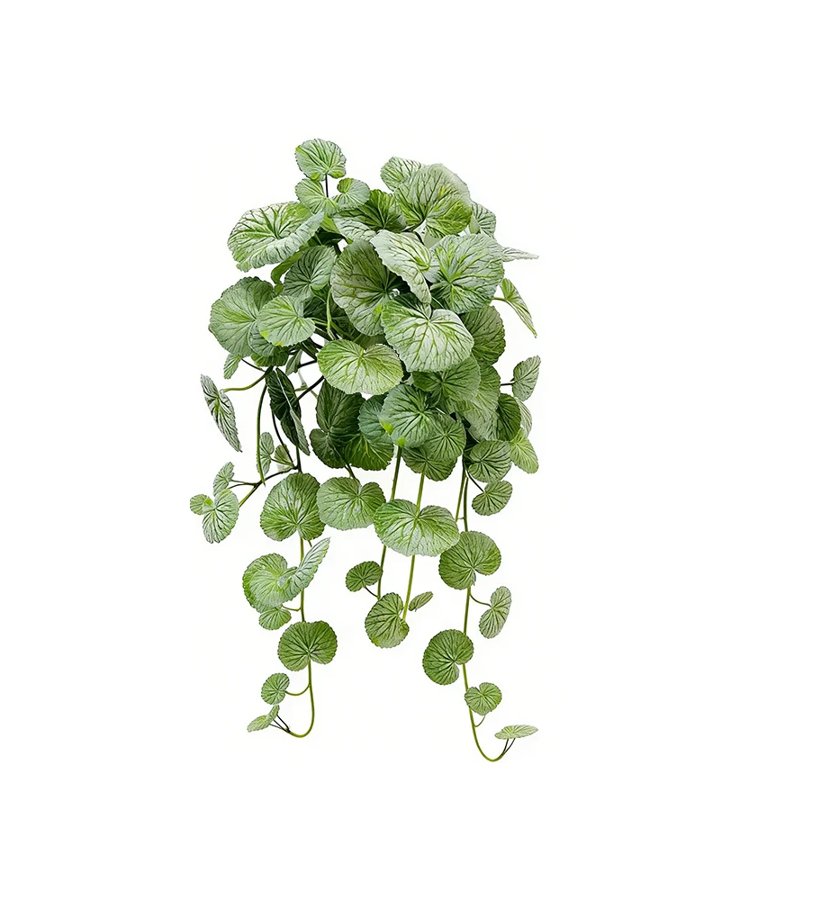
Cheap artificial foliage is moulded in a single flat green, and that uniformity is what the eye picks up first - long before it notices anything about the shape. Anything with tonal variation across the leaves reads as real from a surprisingly short distance.
Matt, not shiny
The second giveaway. Living leaves have a soft sheen at most; a glossy plastic finish catches light in a way nothing in a garden does, particularly in direct sun.
Matt or lightly textured foliage is what you want, and it is worth looking at product photographs in bright light rather than studio light - the artificial guide covers judging quality.
Trailing length breaks the outline
A real basket is a ball of growth with no clear edge. A poor artificial one is a neat dome sitting on a visible rim.
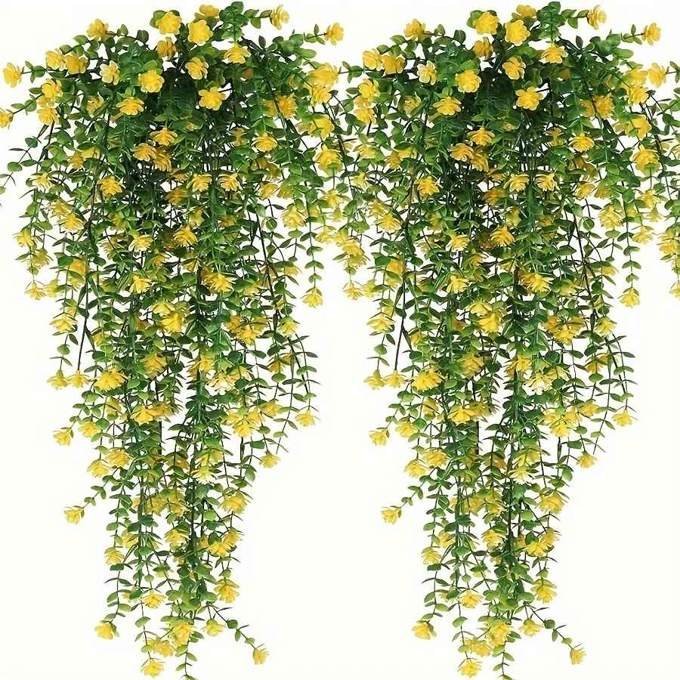
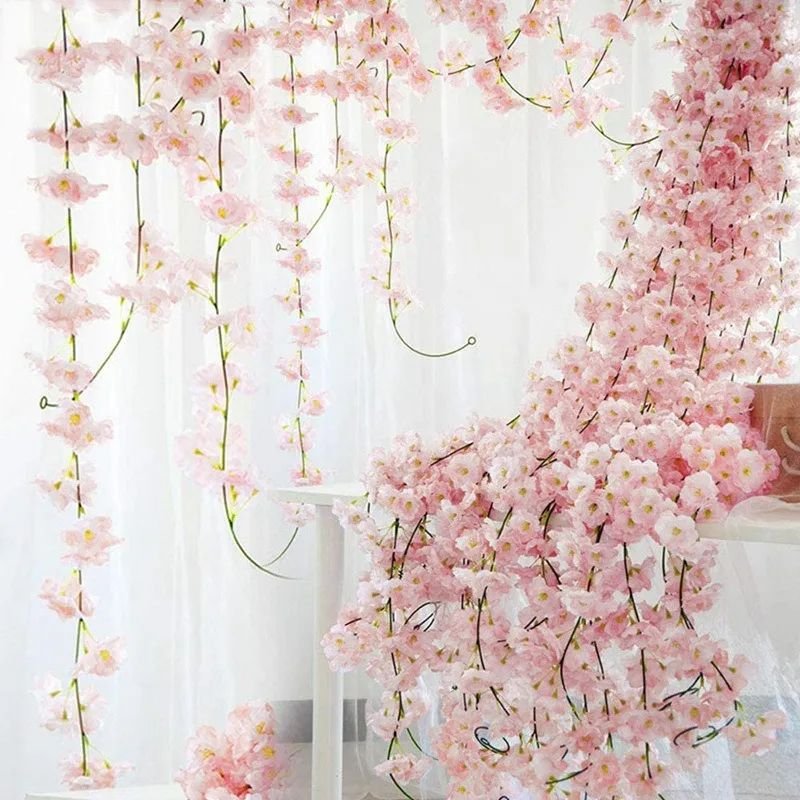
Long trailing stems hide the basket and break the outline, which is what makes the whole thing read as planted rather than assembled. A long trailing fern or an ivy garland does that job - the artificial range covers the fuller displays.
Mixed textures beat one plant
A basket of one artificial plant repeated twelve times looks like what it is. Two or three different leaf shapes at different lengths reads far more convincingly, exactly as a real mixed planting would.
The same three-part idea applies as with living plants - something upright, something filling, something trailing - the artificial hanging baskets guide covers adding blooms.
Height does most of the work
The practical point that matters most. Almost nothing reads as artificial above eye level, because nobody is close enough to inspect a leaf.
A basket at head height beside a door, or under a porch, is being seen from several feet away at a glance - which is precisely the condition under which artificial displays are indistinguishable. Save the closest scrutiny for things at hand height.
Where they beat living plants outright
Deep shade, where flowering plants sulk.
North-facing and exposed spots, where the wind punishes anything soft.
Anywhere hard to water - a high basket, a holiday home, a rental, an office.
Winter, when living displays are at their thinnest anyway - the winter range covers those.
What they give up
Being straight about it. They do not grow, so they never surprise you. They do not smell of anything. They fade in strong sun over time. And some people simply want the living thing, which is a perfectly good reason to plant one.
Fading, and how to slow it
UV is what does the damage, and the colours that go first are the strongest ones - reds and purples before greens.
A spot with some shade for part of the day lasts noticeably longer than one in full sun all day. Turning a basket occasionally evens out the exposure. And buying an outdoor-rated display rather than an indoor one matters, because the UV treatment is the difference - the ready-to-hang range covers that.
Keeping them looking right
They collect dust and cobwebs like anything else outdoors. A rinse with a hose or a wipe with a damp cloth two or three times a year is the whole maintenance routine.
Bring them under cover for the worst of the winter if you want maximum life, though outdoor-rated displays are made to stay out.
Mixing real and faux
Common, sensible and nobody will know. Artificial trailing stems worked in among living plants fill the gaps that always appear at the bottom of a basket, and they do it in February as well as June.
It is also a way to keep a display looking full while a slow-growing plant catches up - the artificial flowering range covers the stems and bunches.
Buying online without seeing it
The practical difficulty with artificial, since photographs flatter everything.
Look for photographs taken in daylight rather than a studio, images that show the display hanging rather than laid flat, and a stated overall length including the trail - which is the dimension that decides how it reads on a wall.
Then judge it in place. If it does not convince you at the distance it will actually be seen from, send it back - there are 30 days and we pay the return postage - the returns page has the terms.
Cost over time
The argument people make for artificial, and it is worth being honest about it.
A planted basket costs compost and plants every season. An artificial one costs once and lasts several years before fading. Over three or four seasons the faux display is usually cheaper, and it costs no watering time at all.
What it does not do is change, and for a lot of gardeners that is the whole point of a basket - the basket range covers both routes.
What we sell
The baskets, the brackets, the liners and the artificial displays. Not live plants - those come from a nursery. Free UK delivery over £20 and 30 days to send anything back with the postage paid - the returns page has the terms.
The short version
- Flat single-colour foliage is the biggest giveaway - look for tonal variation.
- Matt beats glossy; a shiny leaf catches light in a way nothing living does.
- Long trailing stems hide the rim and break the outline, which sells the whole thing.
- Height does most of the work - almost nothing reads as fake above eye level.
- UV fades the strongest colours first, so reds and purples go before greens.
Frequently asked questions
What makes an artificial basket look real?
Colour variation across the leaves rather than one flat green, a matt rather than glossy finish, trailing stems long enough to hide the rim, and two or three leaf shapes rather than one plant repeated.
What gives a fake basket away fastest?
Uniform colour. Living foliage has older dark leaves, newer pale ones and some yellowing, and the eye picks up a single flat green long before it notices anything about the shape.
Where do artificial baskets work best?
Deep shade, north-facing or exposed spots, anywhere hard to water such as a high basket or a holiday home, and winter, when living displays are at their thinnest anyway.
Do artificial baskets fade?
Yes, from UV, and the strongest colours go first - reds and purples before greens. A spot with some shade lasts noticeably longer, and an outdoor-rated display has UV treatment an indoor one does not.
Can I mix artificial stems with real plants?
Yes, and plenty of people do. Artificial trailing stems fill the gaps that appear at the bottom of a basket, and they keep the display full while a slow-growing plant catches up.