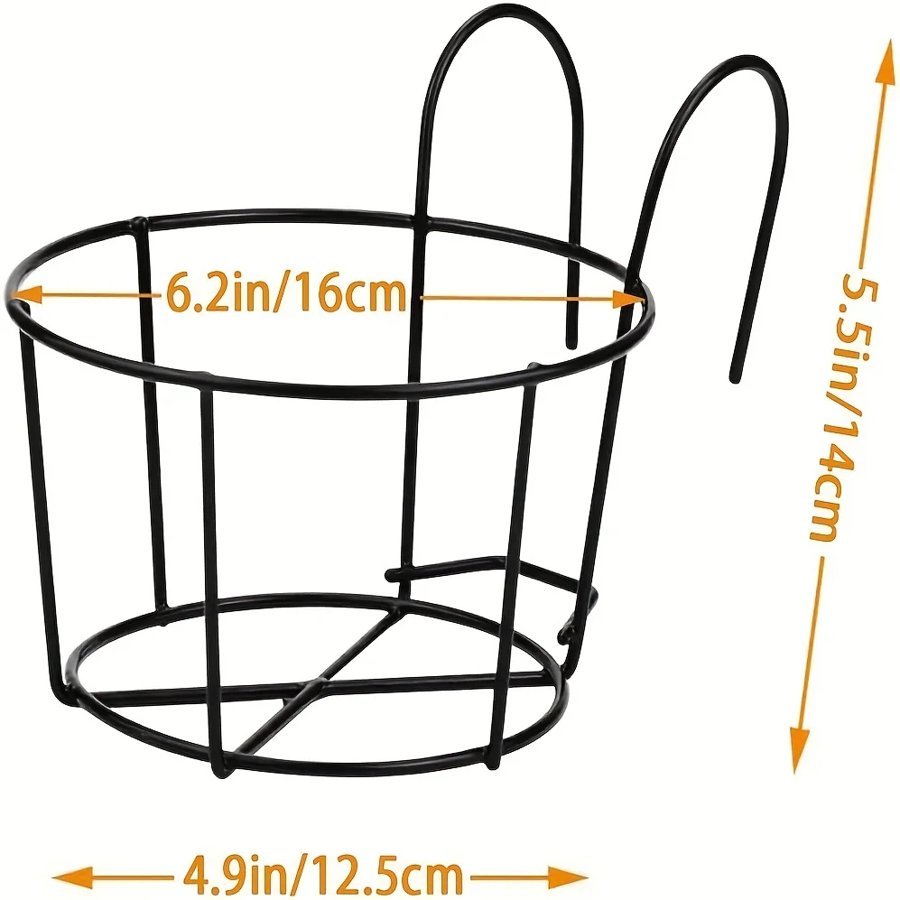
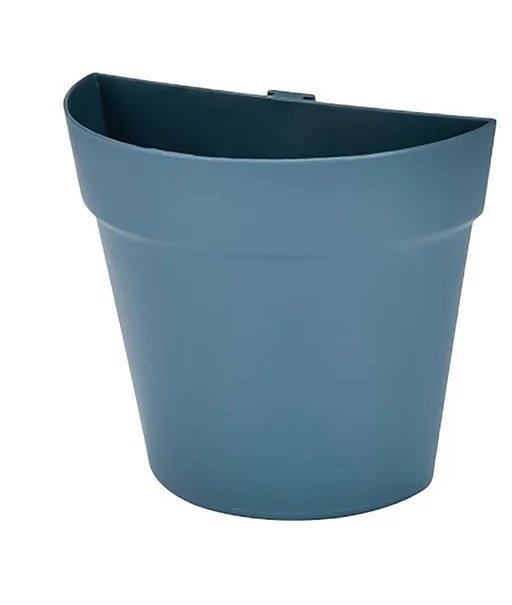
Quick answer: Work from the watered weight rather than the empty one, choose a bracket rated well above it, fix it appropriately for your wall, and hang it where you can reach to water. Then check the fixing once a year, because water and frost loosen things.
Baskets come down for four reasons, and all four are decided before the basket ever goes up.
1. The weight was underestimated
The most common. A basket is light in the shop, moderately heavy planted, and considerably heavier watered - compost holds a lot of water and it all counts.
The fix is straightforward: water the basket before you hang it and lift it. That is the weight your bracket has to hold, and it is usually more than people guess. Choose a bracket rated comfortably above it rather than close to it - the brackets guide covers picking one.
2. The fixing did not suit the wall
The second most common and the one that varies most.
Solid brick or stone: the straightforward case, with an appropriate plug and screw.
Render or pebbledash: you are drilling through a surface into something else, and the fixing has to reach the solid material behind rather than gripping the render.
Timber posts: screw into solid timber, no plug needed.
Fence panels: these flex. A heavy basket on a panel moves the whole panel, and in wind that becomes a lever.
Indoors, plasterboard: a joist or a properly rated anchor, never the board alone.
Follow the guidance that comes with the bracket and the fixings - the fixings guide covers it in more depth.
3. Nobody checked it again
A fixing that was solid last May may not be this May. Water gets into masonry and freezes, screws work loose in timber, and steel rusts where it meets a wet wall.
Check once a year, and the easiest moment is when the basket is down for replanting. Push and pull the bracket firmly, look for movement at the wall, look for rust or splitting, and tighten or replace as needed.
4. It was hung somewhere it gets knocked
A basket in a walking line gets caught by shoulders, bags and doors, and each knock works at the fixing.
Hang it clear of doors that swing, out of the path people take, and where wind cannot swing it into a wall or a window - the small-space guide covers tight spots.
Height: reachable beats impressive
Hang it so you can water it standing on the ground. A basket that needs a ladder gets watered less, and a ladder plus a heavy wet basket is the situation where people get hurt.
If you want it high, plan the watering at the same time - a pulley hook lowers it to you, and the watering systems guide covers the alternatives.
Getting it up there
Hang the basket before it is fully soaked if you can - a drained basket is a good deal lighter than one straight from watering.
Use both hands, keep it close to your body, and if it is a large basket, have somebody hold the ladder or hand it up to you. Do not do this one-handed while standing on something wobbly, which is how most basket injuries happen.
Fixing into render or pebbledash
The wall type that catches most people, because the surface feels solid and is not structural.
Render sits on blockwork or brick, and a plug that grips only the render will pull out with a lump of it attached. The fixing has to be long enough to reach well into the solid material behind, which usually means a longer screw and plug than the bracket came with.
If you are unsure how thick the render is, that is a question for somebody who can look at it rather than something to guess at from a ladder.
Chains and hooks
The link between basket and bracket, and worth a look rather than an assumption.
Check the chain is rated for the weight, that the hook closes or is deep enough not to jump off in wind, and that nothing is rusted through. Chains are cheap and are a poor place to economise - the chains range covers them and the planting guide covers choosing.
Wind
Underestimated, particularly on an exposed wall or a balcony. Wind swings a basket, and a swinging basket loads the fixing in directions it was not designed for.
A heavier basket swings less. A shorter chain swings less. And a wall pot does not swing at all, which in a genuinely exposed spot is the sensible answer - the wall and fence range covers those.
What to do about a bracket that has moved
If the annual check finds any movement at all, take the basket down before doing anything else.
A screw that has worked loose in timber can often be replaced with a longer one, or moved a short distance to fresh wood. A plug that has failed in masonry means drilling a new hole rather than reusing the old one, because an enlarged hole will never hold properly again.
What not to do is tighten a loose fixing and hope. A bracket that has already moved once has told you something about that spot - the brackets range covers replacements.
Taking one down for winter
Worth doing rather than leaving a planted basket to weather through to March.
Empty it, wash it, dry it and store it under cover, and leave the bracket in place so it is ready in spring. Wicker and rattan in particular last considerably longer stored than left out - the watering range covers it.
If you are not sure
If you do not know what your wall is made of, or the fixing feels wrong, stop and ask somebody who does. A bracket is cheap and a basket falling on someone is not.
Free UK delivery over £20 on brackets and everything else - the brackets range is where to start.
The short version
- Water the basket and lift it before hanging - that is the weight the bracket must hold.
- The wall decides the fixing; render and fence panels are the two that catch people.
- Check the bracket once a year, when the basket is down for replanting.
- Reachable beats impressive - a basket needing a ladder gets watered less.
- Wind swings a basket and loads the fixing sideways; a wall pot cannot swing at all.
Frequently asked questions
How much weight does a hanging basket bracket need to take?
Comfortably more than the basket weighs watered, not empty. Water the basket and lift it before hanging - that is the real number, and it is usually more than people guess.
Can I hang a basket on a fence?
On a fence post, screwed into solid timber, yes. On a fence panel it is a poor idea - panels flex under a heavy watered basket, and in wind that flexing becomes a lever on the fixing.
How often should I check the fixing?
Once a year, easiest when the basket is down for replanting. Water gets into masonry and freezes, screws work loose in timber, and steel rusts where it meets a wet wall.
How high should I hang a hanging basket?
Where you can water it standing on the ground. A basket needing a ladder gets watered less often, and a ladder plus a heavy wet basket is where people actually get hurt.
Does wind matter?
More than people expect on an exposed wall or balcony. Wind swings a basket and loads the fixing in directions it was not designed for. A heavier basket and a shorter chain both swing less.