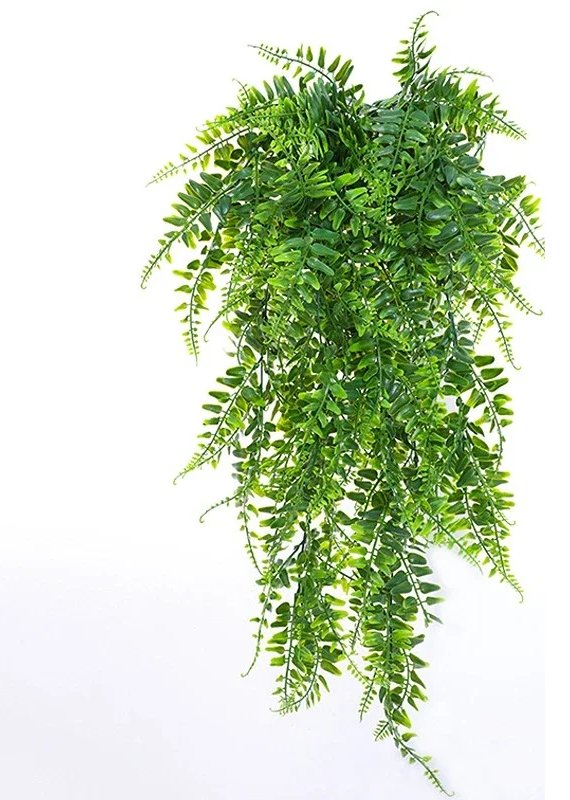
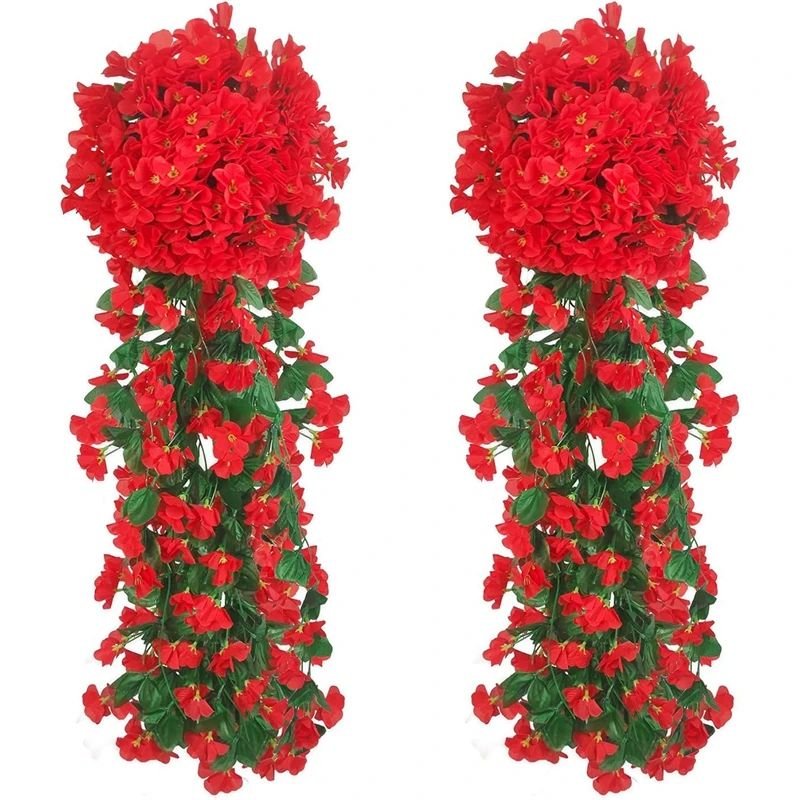
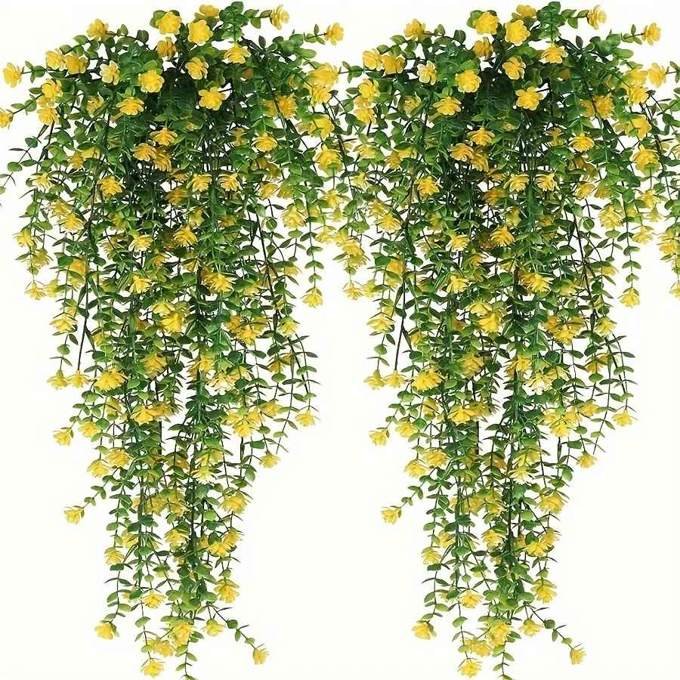
Indoors, use a planter with a removable inner pot or a sealed base with a drainage layer, because water on a floor is the main practical problem. Choose foliage over flowers, since a hanging position gets far less light than the room appears to have.
The plants are different, the containers are different, and the thing that goes wrong is different. Indoor planting is not outdoor planting under a roof.
The drainage problem
Outdoors, water running out of the bottom is the point. Indoors it is the whole difficulty.
Three workable answers: a planter with a removable inner pot you take to the sink, a sealed planter with a drainage layer in the base, or a saucer built into the design. Whatever you choose, decide before planting rather than after the first watering - the indoor range covers planters.
Removable inner pots
The most practical arrangement by a distance.
The plant lives in a plastic pot with holes, which sits inside the decorative hanger. Watering means lifting the pot out, taking it to a sink, soaking it, letting it drain and putting it back.
Nothing drips, nothing stagnates, and the plant gets a proper soak rather than a careful trickle.
Sealed planters with a drainage layer
Where the planter has no holes, put a layer of gravel or clay pebbles in the base so surplus water sits below the compost rather than in it.
Then water sparingly and deliberately. This works, but it needs more judgement, because you cannot see the water level and there is no overflow to tell you when to stop.
Compost for indoors
A general houseplant compost rather than a garden or basket one. It is finer, cleaner and blended for containers that dry slowly.
Outdoor basket compost is designed to drain fast, which indoors means either constant watering or water on the floor.
Light, honestly
The thing that kills indoor hanging plants, and the reason to plan the planting around it.
A hanging spot is usually further from the window and higher than it looks, so it gets meaningfully less light than the room feels like it has. Choose trailing foliage for anywhere not directly beside a window, and save flowering plants for the brightest position you have.
What actually grows up there
Trailing foliage plants, in the main - the ones that tolerate lower light and hang naturally.
Buy them from a plant shop or garden centre; we sell the planters and hangers rather than the plants themselves - the indoor guide covers positions.
Do not overpot
A common indoor mistake. A pot much larger than the root ball holds compost that no roots are using, and that compost stays wet.
Wet unused compost is where root rot starts. Pot up one size at a time rather than into the biggest planter that fits - the indoor range covers the sizes.
Watering, indoors
Less often than outdoors and by weight rather than schedule. Indoor conditions are stable, so a plant that wants water weekly in winter may want it twice weekly in summer with the heating off and the windows open.
Lift the pot. Light means water, heavy means leave it - the watering guide covers the test.
Humidity
Central heating dries air considerably, and a plant near a ceiling sits in the warmest, driest air in the room.
Kitchens and bathrooms are the two rooms that solve this by themselves, which is why trailing plants do so well in both - and why a hallway above a radiator is the hardest spot in the house. The hanging planters range covers what suits a damp room.
Feeding
Sparingly, and only in the growing season. A balanced houseplant feed at the stated dilution every few weeks from spring to late summer, and nothing through winter.
Indoor plants grow slowly and overfeeding shows as leaf damage rather than extra growth - the watering range covers the outdoor version, which is quite different.
Weight, and the ceiling
A watered planter is heavier than people expect and it is hanging above a room.
Into a joist, or a cavity fixing genuinely rated for the load - plasterboard alone holds nothing. Test it with a firm pull before the plant goes in - the hooks guide covers fixings.
Cleaning the leaves
Dust settles indoors in a way it does not outside, and dusty leaves work less well.
A wipe with a damp cloth every few weeks helps living plants and stops artificial ones looking grey. It takes five minutes and makes a surprising difference.
Turning the planter
Growth leans toward the light, and an indoor plant hanging in one position gets thin on the dark side over months.
Turn it a quarter every few weeks and it stays even. A swivel between the cord and the hook makes that a two-second job.
Styling it
Odd numbers at different heights, matching planters, and let the plants provide the variety - the indoor styling guide covers placement, and the hanging planters range covers the containers.
Artificial indoors
Indoors is where faux is hardest to detect, because the light is even and nobody inspects a leaf - and in a dark corner or high stairwell it is often the only thing that will look good long term.
The artificial range covers those, with free UK delivery over £20.
The short version
- Decide how it drains before planting, not after the first watering.
- A removable inner pot taken to the sink is the most practical arrangement.
- Use houseplant compost - outdoor basket compost drains too fast indoors.
- A hanging spot gets far less light than the room feels like it has.
- Overpotting leaves wet unused compost, which is where root rot starts.
Frequently asked questions
How do I water an indoor hanging basket without mess?
Use a planter with a removable inner pot: lift it out, soak it at the sink, let it drain and put it back. Nothing drips, nothing stagnates, and the plant gets a proper soak rather than a trickle.
What compost should I use indoors?
A general houseplant compost rather than an outdoor basket one. Basket compost is blended to drain fast, which indoors means either constant watering or water running onto the floor.
Why do my indoor hanging plants struggle?
Usually light. A hanging position is further from the window and higher than it looks, so it gets much less light than the room appears to have. Choose trailing foliage rather than flowering plants.
Can I hang a planter from a plasterboard ceiling?
Not from plasterboard alone - it holds nothing once the pot is watered. Fix into a joist, or use a cavity fixing genuinely rated for the load, and test it with a firm pull before the plant goes in.
Should I turn an indoor hanging plant?
Yes, a quarter turn every few weeks. Growth leans toward the light, so a plant left in one position gets thin on the dark side over months. A swivel makes it a two-second job.