Quick answer: Hang in odd numbers at different heights rather than a row at one level, use corners and stairwells that nothing else occupies, and keep the planters consistent so the plants provide the variety. One good planter beats three mediocre ones.
The difference between a hanging plant that looks styled and one that looks stuck up there is almost entirely placement.
Odd numbers, different heights
The rule that does most of the work. Three planters at three different heights read as a composition; three at the same height read as a shop fitting.
Two is the hardest number to make work and usually wants symmetry - either side of a window, for instance - to look deliberate. One is fine on its own if it is a good one.
Keep the planters consistent
The variety should come from the plants, not the pots. Three different planters in three materials fight each other; three of the same in different sizes look like a set.
If you want variety in the container, vary one thing only - size, or length of cord - and hold everything else constant - the indoor range covers matching sets.
Corners are free space
A room corner at height is almost always empty, and it is the least disruptive place to hang anything because nobody walks through it.
It also gives a plant two walls to trail against, which reads well from across a room. A corner near a window is the best of all - light and space at once.
Stairwells
The most underused vertical space in a house. A stairwell has real height, is seen from several levels, and usually has nothing in it at all.
A single long-trailing plant hung from the ceiling of a stairwell does more for a house than three planters spread around a living room. The practical caveat is reaching it to water - plan that before you hang it.
In front of a window
Where the light is, and where a hanging plant screens without blocking.
Hung at the top of a window, a trailing plant softens the frame and gives privacy at head height while leaving the view below. It is also the one indoor spot where flowering plants have a real chance.
Over furniture, not over walkways
Above a sideboard, a desk or the end of a sofa is safe, because nobody walks there. Above a doorway, in a hall, or over the middle of a room is where people meet a planter with their forehead.
Remember trailing growth gets longer - what clears your head today may not in six months - the indoor guide covers the fixing side.
Kitchens and bathrooms
Both suit trailing plants because the air is damper, and both have hard floors where the occasional drip does not matter.
A plant over the end of a kitchen run, or beside a bathroom window, is a easy win. Keep clear of a shower door and anywhere steam collects directly on the leaves.
Macrame, and when it suits
The classic and still the best-looking option for a plain pot. It adds texture rather than competing, adjusts in length, and weighs almost nothing.
A ready-made macrame hanger is the simple route; macrame cord is there if you would rather make one to a length that suits the room - the hanging planters range has the alternatives.
Length of the drop
Worth thinking about rather than accepting whatever the cord came at.
A short drop suits a high ceiling and keeps things out of the way. A long drop brings a plant down into eye level, which is what you want in front of a window or in a stairwell. Most hangers can be shortened by knotting, which is a five-minute job.
Matching to what is already there
The planter should agree with the room rather than announce itself. Natural materials - woven straw, cotton cord, terracotta - suit almost any interior. Bright colours date faster and are harder to place.
If a room already has a strong palette, the safe move is a neutral planter and a plant that fits the colours.
Playful pieces, used sparingly
One characterful planter is a feature. Three are a collection, and a collection needs to look intentional.
A face planter on a swing seat is exactly that kind of thing - lovely as the one item people notice, wrong as a repeated motif.
Light, honestly
Most styling advice ignores this and then the plant dies. A hanging position is usually further from the window and higher than it looks, which means less light than the room feels like it has.
Choose trailing foliage for anywhere not directly beside a window, and save flowering plants for the brightest spot you have. Buy them from a plant shop or garden centre - we sell what they hang in rather than the plants.
Artificial indoors
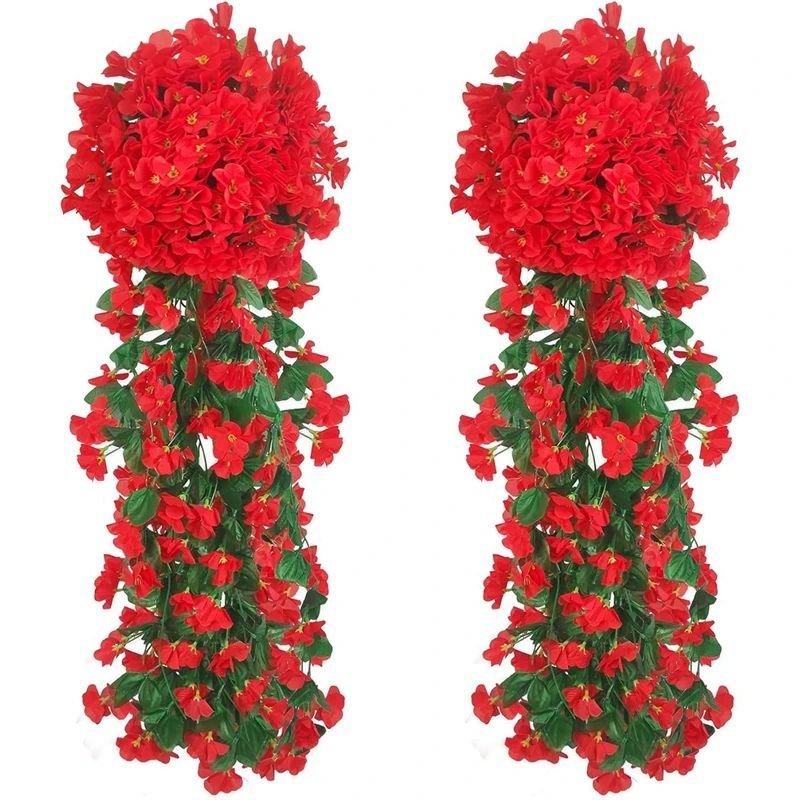
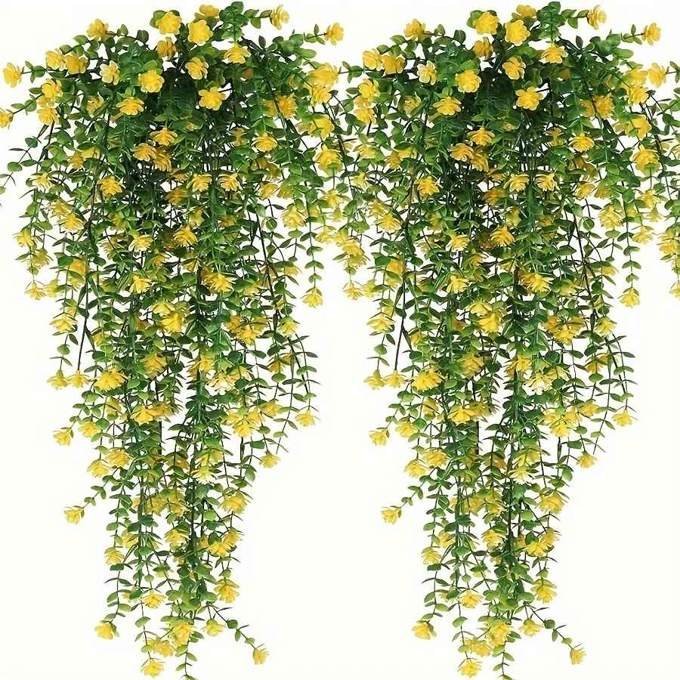
Indoors is where faux is hardest to detect, because the light is even and nobody inspects a leaf. In a dark corner or a high stairwell it is often the only thing that will look good long term.
The artificial range covers those, and the faux guide covers what reads convincingly.
What to buy first
One good planter for the best spot in the room, hung at a height you can reach. Add the second and third once you know how the first one lives - free UK delivery over £20 and 30 days to change your mind.
The short version
- Odd numbers at different heights read as composition; a level row reads as shop fitting.
- Vary the plants, not the planters - three matching pots look like a set.
- Corners and stairwells are the two spaces nothing else in a house is using.
- Hang over furniture, never over walkways, and allow for trailing growth.
- A hanging spot is darker than the room feels - choose foliage over flowers.
Frequently asked questions
How many hanging planters should a room have?
Odd numbers work best - three at different heights read as a composition where three at the same height look like a shop fitting. One good planter on its own is better than three mediocre ones.
Where are the best places to hang plants indoors?
Room corners, which nothing else occupies and where a plant has two walls to trail against; stairwells, which have real height and are seen from several levels; and in front of a window, where the light is.
Should the planters match?
Yes - let the variety come from the plants. Three different planters in three materials fight each other, while three of the same in different sizes read as a set. Vary one thing only, such as size or cord length.
Where should I not hang one?
Over any walkway - above a doorway, in a hall, or across the middle of a room. Above furniture such as a sideboard or the end of a sofa is safe, and remember trailing growth gets longer over time.
Why do my indoor hanging plants struggle?
Usually light. A hanging position is further from the window and higher than it looks, so it gets less light than the room feels like it has. Choose trailing foliage anywhere not directly beside a window.