Most summer baskets need water once a day, and twice on hot windy days. Rather than following a schedule, lift the basket - a light one needs water and a heavy one does not. Size, material, position and planting density all change the frequency considerably.
The most-asked question about hanging baskets, and the honest answer is that frequency is the wrong thing to fix on.
The short answer
Once a day through summer for most planted baskets. Twice on a hot, windy or exposed day. Less in spring and autumn, and much less in winter.
That is a starting point rather than a rule, because two baskets side by side can want quite different amounts - the basket range covers the sizes that change it most.
The weight test
What to use instead of a schedule.
Lift the basket slightly from underneath. A basket that needs water is noticeably lighter than one that does not, and after a week of doing this you will know the difference instantly.
It is faster than poking the compost, more reliable than looking at the surface, and it works through a liner - the care guide covers the routine.
What makes a basket dry faster
- Small size, because there is less compost to hold water.
- An open wire frame, where air reaches the sides.
- Full sun, particularly a south or west wall.
- Wind, which dries a basket faster than heat does.
- Heavy planting, since more roots draw more water.
Wind is underrated
People blame heat, but a warm breezy day dries a basket harder than a still hot one.
A basket on an exposed corner can want twice the water of an identical basket six feet round the corner in shelter. If one of yours is always the thirsty one, that is usually why - the hanging guide covers position.
Size changes it more than anything
A 30cm basket holds a fraction of the compost a 40cm one does, and it dries proportionally faster.
If daily watering is not realistic, the honest fix is a bigger basket rather than a watering gadget - the basket range covers the sizes.
Material matters too
Solid plastic holds water longest because the sides do not breathe. Wicker sits in the middle. An open wire frame with a coco or moss liner dries fastest of all.
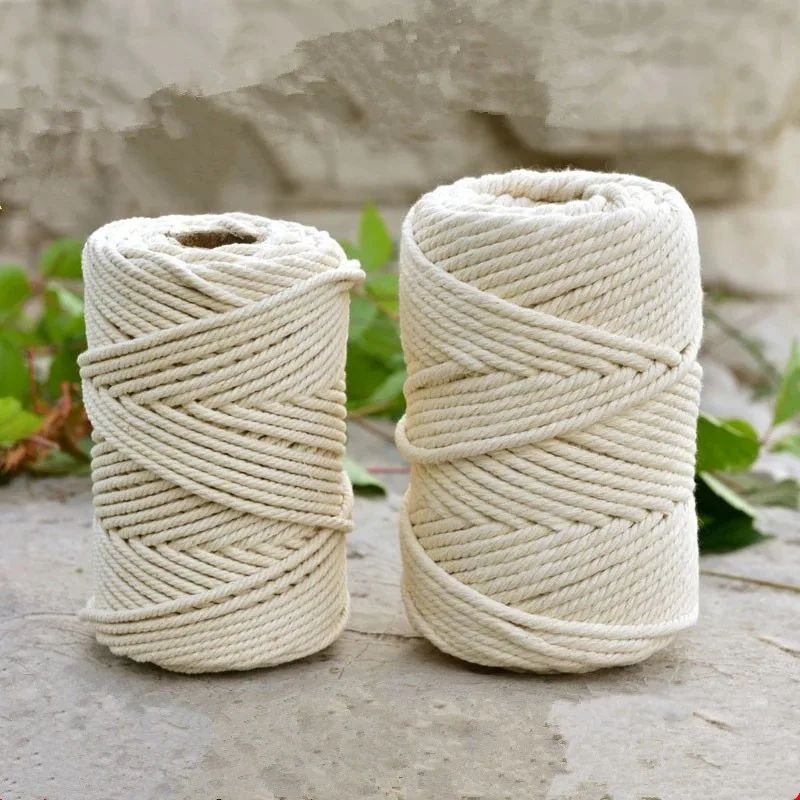
The materials comparison covers the trade-offs, and a liner with a moisture-retaining backing narrows the gap considerably.
Water twice, with a pause
The technique that matters more than the timing.
Dry compost repels water, so a single fast pour runs down the inside of the liner and straight out of the bottom without wetting the root ball. Water a little, wait thirty seconds, then water properly.
If water comes out of the bottom immediately, that is a sign the basket was too dry rather than that it is now watered.
Best time of day
Early morning first, evening second. Midday is worst, because much of it evaporates before doing anything useful.
Morning also means the foliage dries during the day, which is better for the plants than sitting damp overnight - the liners range covers what holds the moisture below.
How much
Until water runs from the bottom, then stop. That tells you the whole volume is wetted rather than just the top.
A small splash daily is worse than a proper soak every other day, because it wets only the surface and encourages roots to stay shallow - the watering range covers the kit.
Rain does not count
The thing that catches people out most often.
Dense foliage acts as an umbrella over the compost, and many baskets stay dry through a shower that soaks everything else. Check by weight after rain rather than assuming.
Signs of underwatering
Wilting in the afternoon that recovers overnight, dry compost pulling away from the liner, flowers dropping early, and crisp brown leaf edges.
An afternoon wilt in full sun is not always drought, but combined with a light basket it is.
Signs of overwatering
Yellowing lower leaves, soft or blackened stems at the base, a permanently heavy basket, and a sour smell from the compost.
Overwatering is the more damaging of the two, because a dry plant usually recovers and a rotted one does not - begonias in particular are damaged this way.
Reducing how often you have to
Water-retaining granules mixed in at planting, a liner with a moisture backing, a slightly larger basket, or a reservoir insert all stretch the interval.
None removes the job - the self-watering guide is honest about what a reservoir does.
When it becomes too much
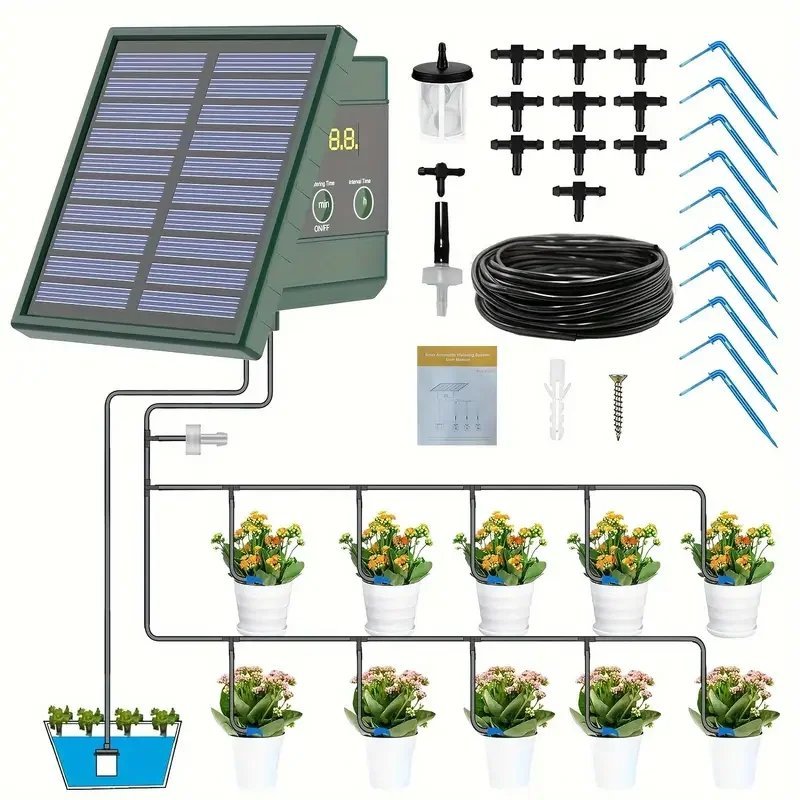
If daily watering has stopped happening, the answer is a drip system on a timer, which handles any number of baskets and costs nothing to run.
The solar drip kit needs no socket - the watering systems guide compares them.
Or remove the question
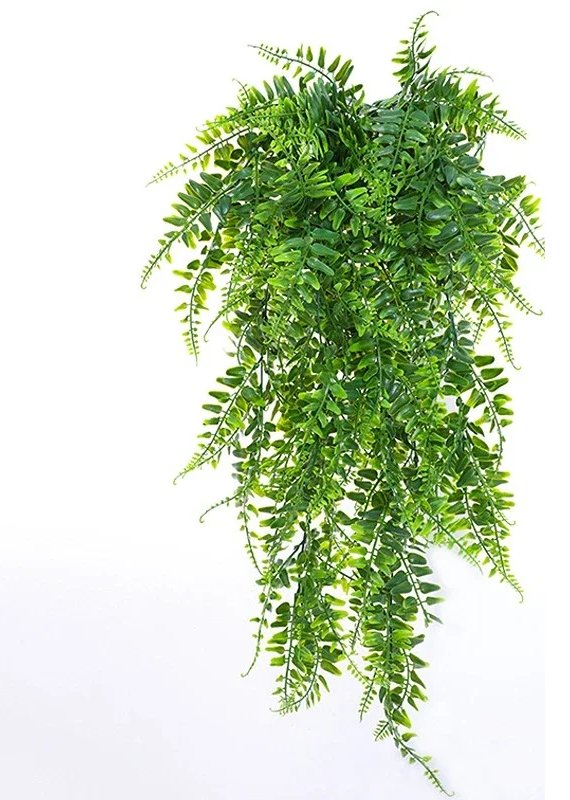
An artificial display needs no water at all, which for a high basket or a holiday period is the only complete answer - the artificial range covers them.
The short version
- Once a day in summer, twice when it is hot and windy - but check, do not schedule.
- Lift the basket: light means water, heavy means leave it.
- Wind dries a basket harder than heat, which is why exposed ones are always thirsty.
- Water twice with a pause, because dry compost repels the first pour.
- Rain often misses the compost entirely - dense foliage acts as an umbrella.
Frequently asked questions
How often should I water a hanging basket in summer?
Once a day for most planted baskets, twice on hot, windy or exposed days. Use it as a starting point and check by weight, because two baskets side by side can want quite different amounts.
How do I know when a basket needs water?
Lift it slightly from underneath. A basket that needs water is noticeably lighter than one that does not, and after a week you will know the difference instantly. It beats poking the compost.
Why does water run straight through?
Because the compost is too dry to absorb it. Dry compost repels water, so a fast pour runs down inside the liner and out of the bottom. Water a little, wait thirty seconds, then water properly.
Does rain water my baskets?
Often not. Dense foliage acts as an umbrella over the compost, and plenty of baskets stay dry through a shower that soaks everything else. Check by weight after rain rather than assuming.
Can I overwater a hanging basket?
Yes, and it does more damage than underwatering, because a dry plant usually recovers and a rotted one does not. Yellow lower leaves, soft stems at the base and a permanently heavy basket are the signs.