Identify the culprit from the damage: scattered compost means squirrels, pulled fibre means nesting birds, broken stems mean perching, and a silvery trail means slugs. Position does more than any deterrent, and a metre of clear air from any launch point is the single biggest fix.
The first time I lost a basket to wildlife I blamed the wind. Half the compost was on the doorstep and two trailing stems were hanging by a thread. It was a squirrel, and it came back the next morning while I watched.
Nobody warns you about this part, so here is what actually causes the damage and what genuinely stops it.
Work out what you are dealing with first
The damage tells you the culprit, and the fix is different for each. Guessing wrong wastes a season.
Compost dug out and scattered, often in neat holes. Squirrels. They are caching food, not eating your plants, which is why it happens most in autumn.
Moss or liner fibre pulled out in strands. Nesting birds, usually in early spring. They want the material, not the plant.
Whole stems snapped and the basket swinging. Something heavy landed on it. Pigeons and larger birds do this simply by perching.
Leaves with ragged holes and a silvery trail. Slugs and snails. Yes, they get into hanging baskets — they climb the bracket and the wall.
Sticky leaves and curled new growth. Aphids, which arrive on the breeze and do not care how high the basket is.
Squirrels: the honest options
There is no reliable way to talk a squirrel out of a hanging basket. What works is making it awkward.
Hang it away from a fence top, a wall head or a branch they can launch from. A squirrel can jump a surprising distance sideways but struggles to reach something hanging clear in open air. A metre of clearance from any launch point does more than any deterrent spray.
A layer of small stones or decorative gravel pressed onto the compost surface also helps, because digging stops being easy. It adds weight, so check your bracket is rated for it.
What does not work, in my experience: chilli powder, which washes off in the first shower, and plastic predators, which they ignore within a week.
Nesting birds and liner-pulling
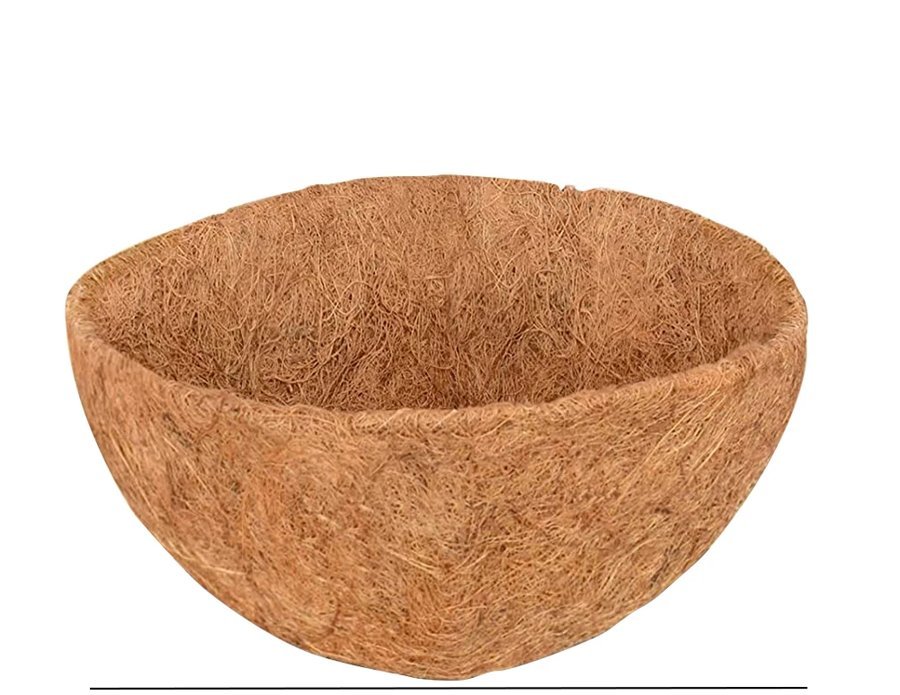
This one is seasonal and short-lived. From roughly March to May, birds will take moss, coco fibre and anything loose and fluffy.
It is genuinely harmless to the birds and mildly destructive to your basket. If a nest is already being built, leave it — disturbing an active nest is not something to do, and the basket will survive a few weeks of neglect better than you would think.
To stop it happening next year, use a liner with a solid backing rather than open moss, and firm the surface down at planting so there are no loose ends to tug. Our liner range includes backed options for exactly this.
Perching damage, and the simplest fix
A basket that gets used as a perch takes a surprising amount of punishment, and the giveaway is broken stems around the rim rather than missing compost.
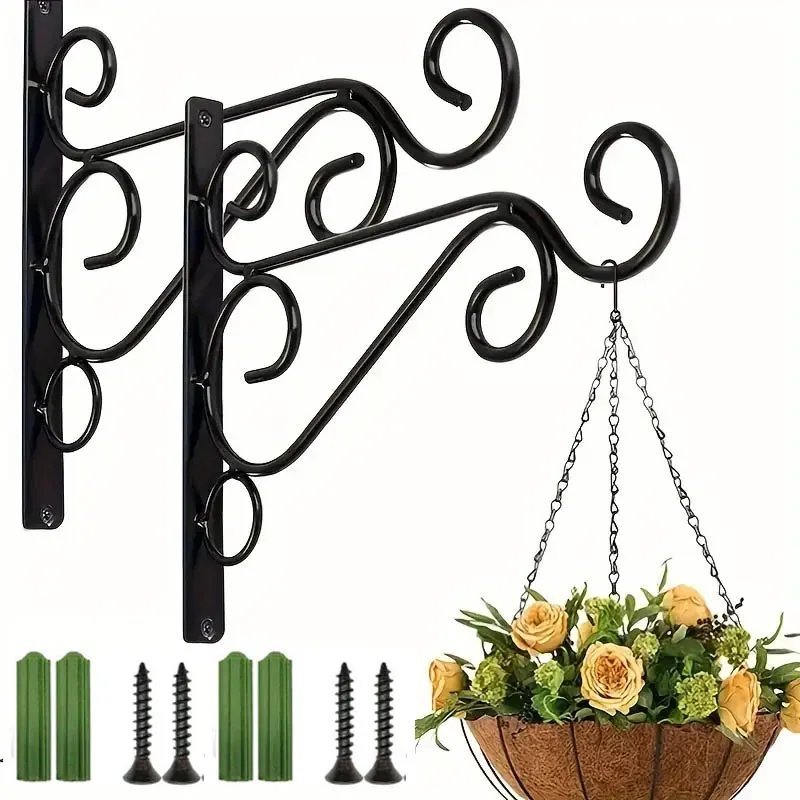
The fix is almost always the fixing. A basket on a short, rigid bracket close to the wall gives much less of a landing platform than one swinging on a long chain. If the position has to stay, shorten the drop.
Slugs and snails, which do climb
People are genuinely surprised by this. A hanging basket is not out of reach: they go up the wall, along the bracket and down the chain.
Check under the rim and on the underside of the liner after dark, which is where they sit during the day. Keeping the basket clear of overhanging foliage removes the bridge, and that is most of the battle.
Aphids
Height is no protection. A squirt of plain water from a hose knocks most of them off, repeated every few days while new growth is soft. Deal with it early, because a heavily infested basket rarely recovers its looks that season.
The option nobody mentions
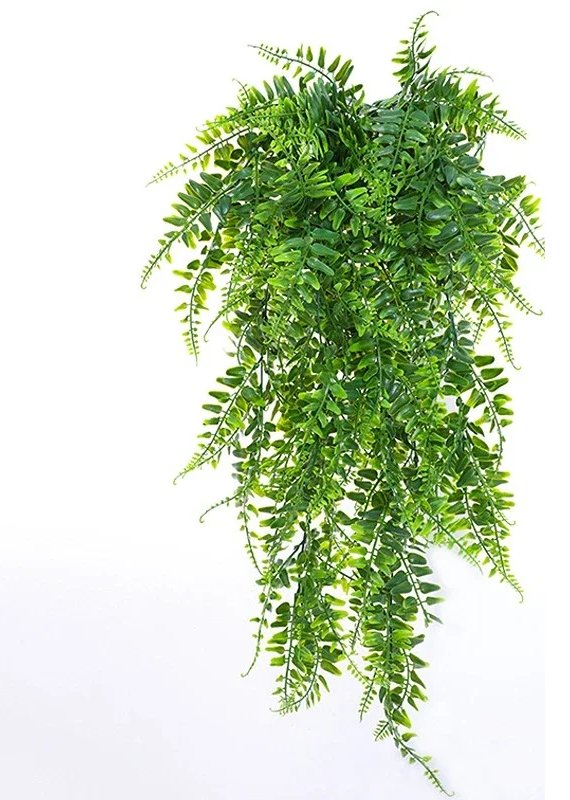
A faux display has no compost to dig, no fibre worth taking and nothing for an aphid to feed on. Wildlife loses interest within a day or two.
I am not pretending that is the answer for everyone — part of the point of a live basket is that it is alive. But for the one position that gets raided every single year, swapping to an artificial basket ends the argument rather than managing it. The ready-to-hang displays are the quickest version of that.
Cats, briefly
Cats are rarely the problem with a hanging basket, for the obvious reason that it is hanging. Where they do cause trouble is on wall-mounted and railing planters at jumping height, which get used as a sitting spot.
If that is happening, the planter is too accessible to be a planter. Move it up, or accept it is now a cat shelf.
When it is not wildlife at all
Worth ruling this out before you start deterring anything, because two things get blamed on animals constantly.
Wind. A basket that swings hard against a wall loses compost over the edge and snaps its own stems. The damage looks remarkably like something landed on it.
Watering too hard. A full-pressure hose into a basket washes compost straight out of the sides and leaves the surface pitted, which reads as digging.
If the damage appears after a windy night or right after you water, it was never an animal.
A quick checklist before the next season
- A metre of clear air between the basket and any fence, wall head or branch.
- A backed liner rather than loose moss, if birds took it last spring.
- A firmed surface, with gravel on top where squirrels are the problem.
- A short, rigid bracket instead of a long chain where perching is the issue.
- No overhanging foliage touching the basket, which is the slug route in.
- A check under the rim whenever you water, which catches most problems early.
What I would not bother with
Ultrasonic deterrents, which I have never seen make a measurable difference outdoors. Netting over a basket, which stops the wildlife and ruins the display at the same time. And anything that claims to repel everything at once, because the five problems above want five different answers.
Position, liner choice and a firm surface cover most of it. The rest is accepting that a garden is shared.
The short version
- The damage tells you the culprit, and each one needs a different fix.
- A metre of clear air from any fence, wall head or branch beats every squirrel deterrent.
- Birds take liner fibre in spring; a backed liner stops it next year.
- Slugs and snails do reach hanging baskets, by climbing the wall and bracket.
- For the one position raided every year, a faux display ends the problem rather than managing it.
Frequently asked questions
How do I stop squirrels digging in my hanging basket?
Hang it at least a metre clear of any fence top, wall head or branch they can launch from, because they jump sideways far better than they reach through open air. Pressing a layer of small stones onto the compost surface makes digging awkward too. Chilli powder washes off in the first shower and plastic predators get ignored within a week.
Why are birds pulling my hanging basket apart?
They are taking nesting material, usually between March and May, and moss or loose coco fibre is exactly what they want. It is harmless to them and mildly destructive to the basket. Use a liner with a solid backing and firm the surface at planting so there are no loose ends to tug.
Do slugs and snails get into hanging baskets?
Yes, and people are genuinely surprised. They climb the wall, cross the bracket and come down the chain. Look under the rim and beneath the liner after dark, and keep any overhanging foliage from touching the basket, since that is the easiest route in.
What is causing broken stems around the rim of my basket?
Something has been perching on it, most often pigeons or other larger birds. The giveaway is snapped stems with the compost untouched. A short, rigid bracket close to the wall gives much less of a landing platform than a basket swinging on a long chain.
Are artificial hanging baskets affected by pests?
Not meaningfully. There is no compost to dig, no fibre worth taking for a nest and nothing for an aphid to feed on, so wildlife loses interest within a day or two. For a position that gets raided every year it is the one fix that ends the problem instead of managing it.