Quick answer: Sit the basket in a bucket to steady it, fit the liner, part-fill with compost, plant the sides through the liner first, then the top, then water thoroughly and let it drain before hanging. Planting the sides first is what makes a basket look full rather than flat.
The order matters more than anything else here. Most disappointing baskets were planted top-down, and it shows within a month.
What you need before you start
A basket, a liner that fits it, compost, your plants, a bucket to stand the basket in, and something to make holes in the liner.
We supply the first three - baskets, liners and the hardware. The plants come from a nursery or garden centre; we do not sell live plants.
Step one: steady the basket
Sit it in an empty bucket or a large pot. A round-bottomed basket rolls off a table the moment you take your hand off it, and doing this on your lap is how compost ends up everywhere.
Step two: fit the liner
Press it in so it sits against the frame all the way round with no gaps at the rim. A liner that is too big can be trimmed; one that is too small leaves compost washing out of the sides.
If you want the basket to hold water longer, lay a circle of plastic in the base with two or three holes punched in it for drainage. It is invisible once planted and it makes a real difference in July - the lining guide covers this properly, and coco liners are the usual choice.
Step three: part-fill with compost
Only about a third at this stage. You need room to work the side plants in, and a basket filled to the brim now cannot be planted through the sides at all.
Use a compost intended for containers rather than garden soil, which compacts and drains badly in a basket - the planting guide covers what to use.
Step four: plant the sides first
The step that makes the difference, and the one people skip.
Cut or part a slit in the liner where you want a plant, and feed the plant through from the inside outward, roots in and foliage out. Wrapping the root ball loosely in a piece of newspaper or plastic makes it slide through without shredding.
Space them evenly around the basket and stagger them if you are doing two rows. Side planting is what fills the gap between the rim and the base - without it, you get a flat disc of flowers sitting on a bare bowl.
Step five: fill and plant the top
Top the compost up to about two centimetres below the rim, leaving a lip so water does not run straight off.
Put something upright in the middle, trailing plants around the edge, and fillers between. Plant more densely than you would in a border - a basket is a display for one season, not a long-term home.
Step six: water it before it goes up
Thoroughly, until it runs from the base, and then leave it to drain for a while.
Two reasons. It settles the compost around the roots, and it tells you what the basket actually weighs when watered - which is the number your bracket needs to cope with - the planting guide covers the fixing.
Step seven: hang it, then leave it alone
Give it a fortnight before judging it. A newly planted basket looks sparse and gappy, because it is - the plants have not grown into each other yet.
Water it, deadhead it, and let it fill in - the care and watering guide covers the routine.
Watering it in for the first fortnight
New plants have small root balls sitting in fresh compost that has not settled around them, so the first two weeks matter more than the rest of the season.
Water a little more attentively than you will later, check by weight daily, and do not let it dry out hard while the roots are establishing. Once the plants have rooted into the compost the basket becomes far more forgiving.
The watering range covers the kit that makes that easier.
Timing
In the UK, most summer baskets are planted from late spring once the frost risk has passed. Planting earlier is possible if you can keep the basket somewhere sheltered until then, which is how nurseries get ahead.
Autumn and winter baskets go in around September and October - the seasonal displays guide and the winter range cover those.
Common mistakes
- Planting the top only, which gives you a flat display on a bald basket.
- Filling with compost first, which makes side planting impossible.
- Using garden soil, which compacts and holds water badly.
- Planting too sparsely, because it looks crowded in the bucket and thin on the wall.
- Hanging it before watering, so you never learn what it weighs.
If you would rather skip all of it
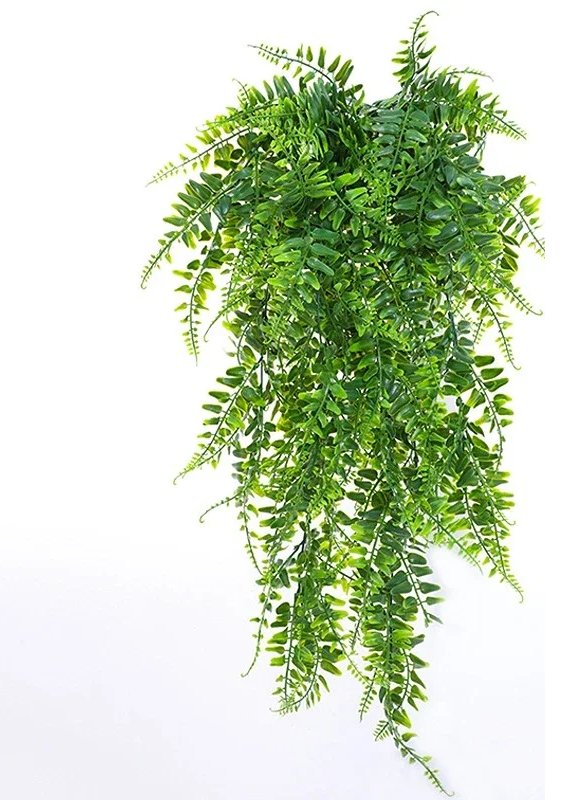
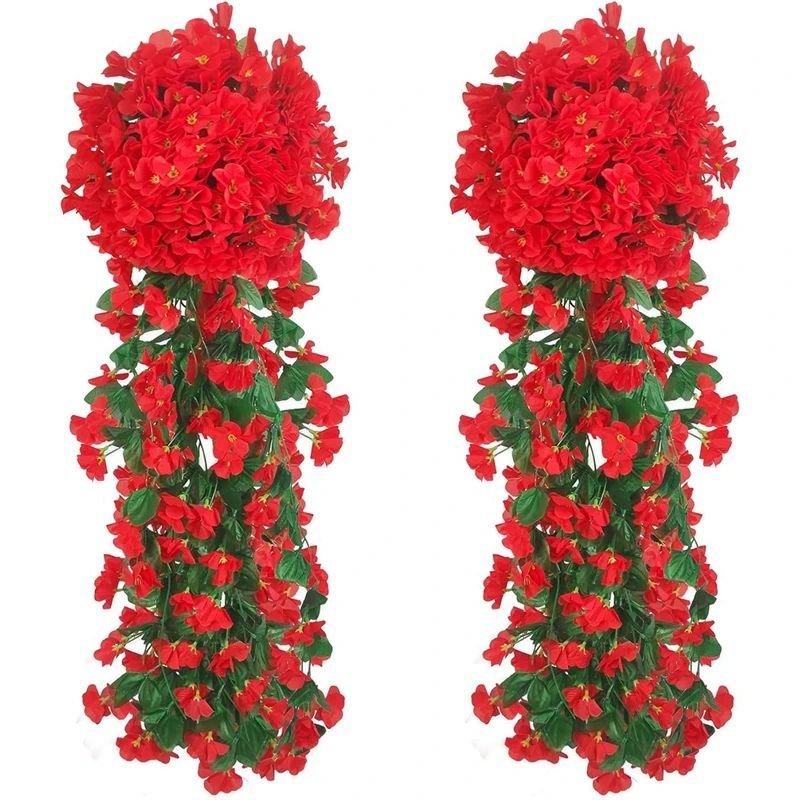
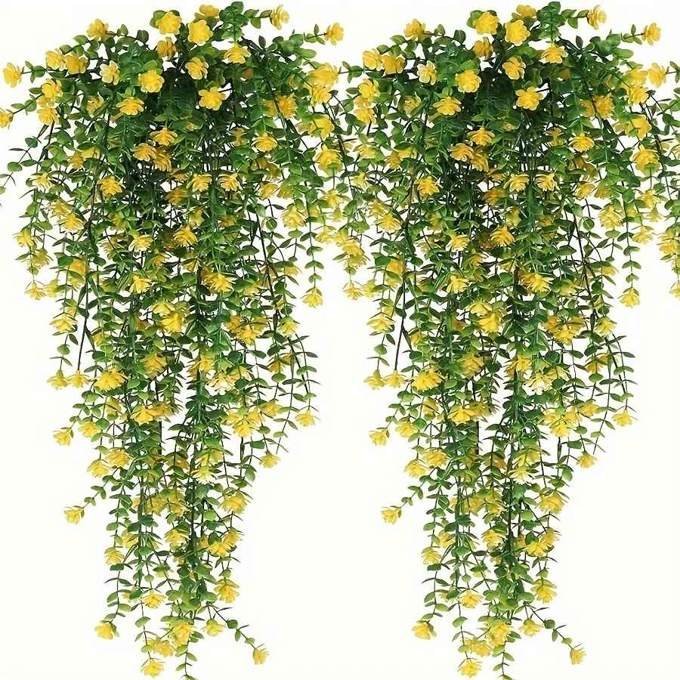
An artificial basket arrives full and stays that way, with no planting, no watering and no season - the ready-to-hang range covers those.
The short version
- Sit the basket in a bucket first - a round basket will roll off a table.
- Part-fill with compost only, or you cannot plant the sides at all.
- Plant the sides through the liner before the top. This is the whole trick.
- Wrap a root ball in newspaper to feed it through a slit without shredding it.
- Water it before hanging - it settles the compost and tells you the real weight.
Frequently asked questions
What order should I plant a hanging basket in?
Steady it in a bucket, fit the liner, part-fill with compost, plant the sides through the liner, then fill and plant the top, then water thoroughly and let it drain before hanging.
Why plant the sides first?
Because side planting is what fills the space between the rim and the base. Without it you get a flat disc of flowers sitting on a bare bowl, and a basket filled with compost cannot be side-planted at all.
How do I get a plant through the liner without damaging it?
Cut or part a slit where you want it, then feed the plant through from the inside outward, roots first. Wrapping the root ball loosely in newspaper or plastic lets it slide through without shredding.
What compost should I use?
One intended for containers rather than garden soil, which compacts and drains badly in a basket. Leave about two centimetres below the rim so water does not simply run off the top.
Why does my new basket look sparse?
Because it is - the plants have not grown into each other yet. Give it a fortnight before judging it, and plant more densely than feels right, since a basket is a one-season display rather than a permanent home.