Quick answer: The reliable performers are petunias and surfinias, fuchsias, begonias, geraniums, lobelia and bacopa, chosen by how much sun the spot gets. Match the plant to the position first, because a sun-lover in shade will not flower whatever else you do.
People choose basket plants by what looks best on the nursery bench in May. The better question is what still looks like that in August.
Position decides everything
Before any plant list, work out what your spot gets. Full sun most of the day, part sun, or genuine shade - these want completely different plants and there is no plant that does all three well.
A sun-lover in a north-facing corner will make leaves and very few flowers, and no amount of feeding fixes it. That single mismatch accounts for most disappointing baskets.
For full sun
Petunias and surfinias, the workhorse of the British hanging basket. Enormous flower output, trails well, keeps going until the frosts if deadheaded - the best plants guide covers them properly.
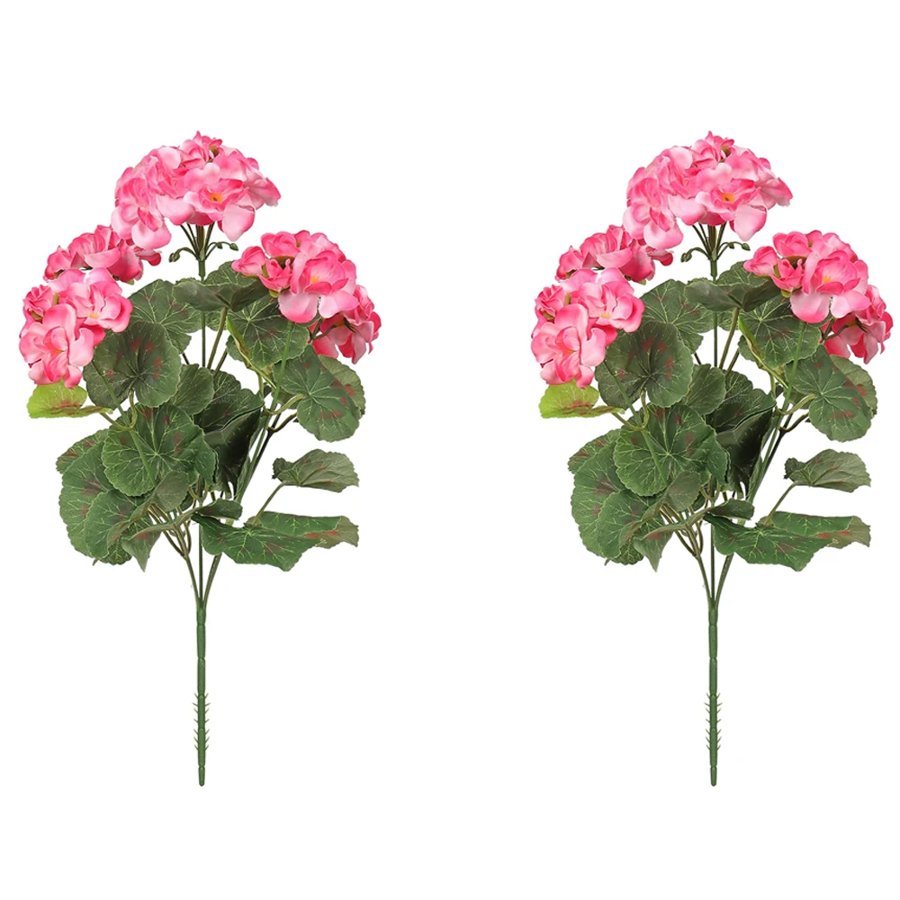
Geraniums (pelargoniums), which take heat and a missed watering better than almost anything.
Calibrachoa, like a small petunia, very free-flowering and self-cleaning.
Verbena for trailing colour and a long season.
For part sun
Fuchsias, particularly the trailing types, which are among the best basket plants there are - the best plants guide covers varieties.
Bacopa, a fine trailing filler covered in small flowers.
Lobelia, the classic blue edging plant, which trails beautifully and dislikes baking heat.
For shade
Begonias, especially the trailing tuberous kinds, which are the best shade basket plant by a distance - the artificial flowering range covers them.
Busy lizzies (impatiens), reliable and generous in a spot that never sees direct sun.
Fuchsias again, which handle shade better than most flowering plants.
Reading a plant label properly
Three things on the label decide whether a plant suits a basket, and none of them is the photograph.
Position - full sun, part shade or shade. This is the one that matters most and the one people skip.
Habit - trailing, mounding or upright. Only the first two belong in a basket.
Eventual spread, which tells you how many you need. A vigorous trailer fills far more basket than a compact one, so three of one and six of the other can give the same result.
Buying plug plants versus larger pots
A cost decision worth understanding before you spend.
Plugs are much cheaper and need growing on somewhere frost-free for several weeks, which suits anyone with a greenhouse or a bright windowsill. Larger potted plants cost more and go straight into the basket, which suits everyone else.
For a single basket the saving on plugs rarely justifies the faff. For six baskets it does, comfortably.
The three-part recipe
A basket that looks full has three jobs filled rather than one plant repeated.
A thriller - something upright in the middle with presence.
A filler - bushy plants that occupy the middle ground.
A spiller - trailers around the rim and through the sides that hide the basket itself.
Get the spiller right and the basket disappears, which is what makes a display look like a ball of flowers rather than a bowl - the trailing plants guide covers those.
What disappoints
Anything that flowers in one flush and stops - beautiful for three weeks and green for three months. Anything that needs perfect watering, because baskets do not get it. And anything sold as a bedding plant for borders that has no trailing habit at all.
Also, buying one of everything. A basket of six different plants reads as busy; three kinds in threes reads as designed.
How many plants
More than feels right. A 35cm basket takes several plants to look full, and one planted sparsely because it looked crowded in the bucket will look thin on the wall all summer.
Plant the sides as well as the top, which is what fills the lower half - the planting guide covers the order.
Keeping them flowering
Deadhead weekly, feed from about six weeks after planting, and water properly rather than splashing the surface. Those three do more than the choice of variety - the care guide covers the routine, and the planting guide covers what to use.
Matching plants to the basket size
The size of the basket changes which of these plants makes sense.
- 25-30cm baskets suit compact plants such as calibrachoa, lobelia and bacopa. A vigorous surfinia swamps a small basket and can dry it out within hours on a hot day.
- 35cm baskets take the classic mix: a fuchsia or geranium in the middle, fillers around it and trailers at the rim.
- 40cm and larger can carry the big trailers, but the extra compost makes them heavy once watered, so check the bracket first - the heavy-duty brackets guide explains how.
A smaller basket also dries out faster, which is why drought-tolerant geraniums earn their place there more than anywhere.
Where we come into it
We do not sell live plants - these come from a nursery or a garden centre. What we sell is what they hang in: the baskets, the liners, the brackets and the watering kit.
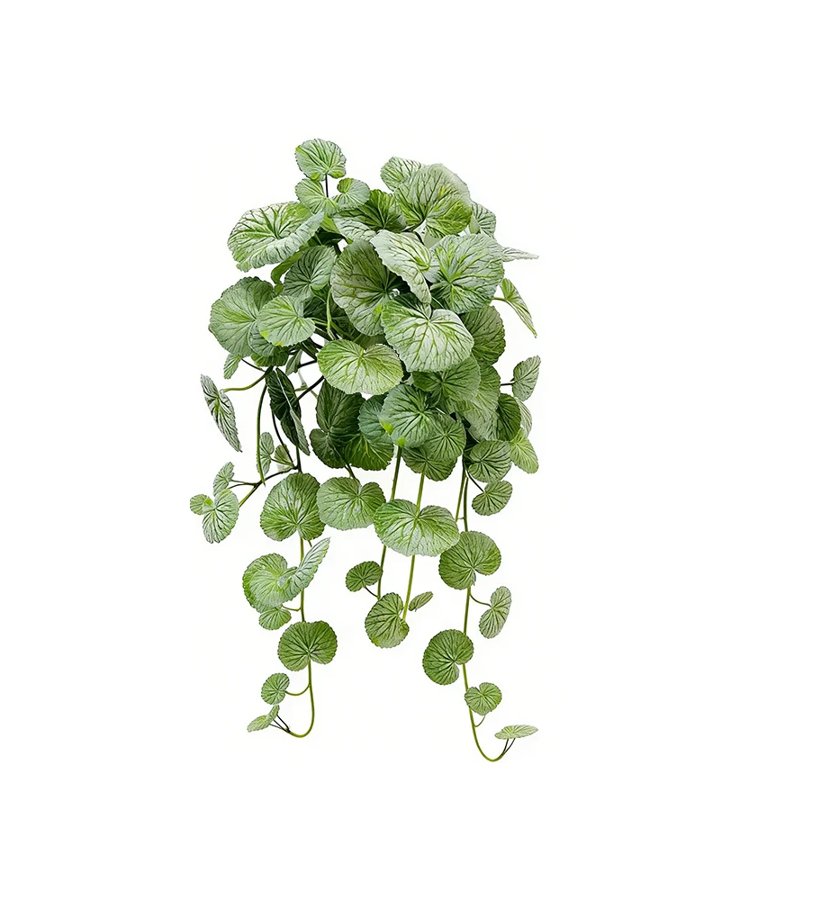
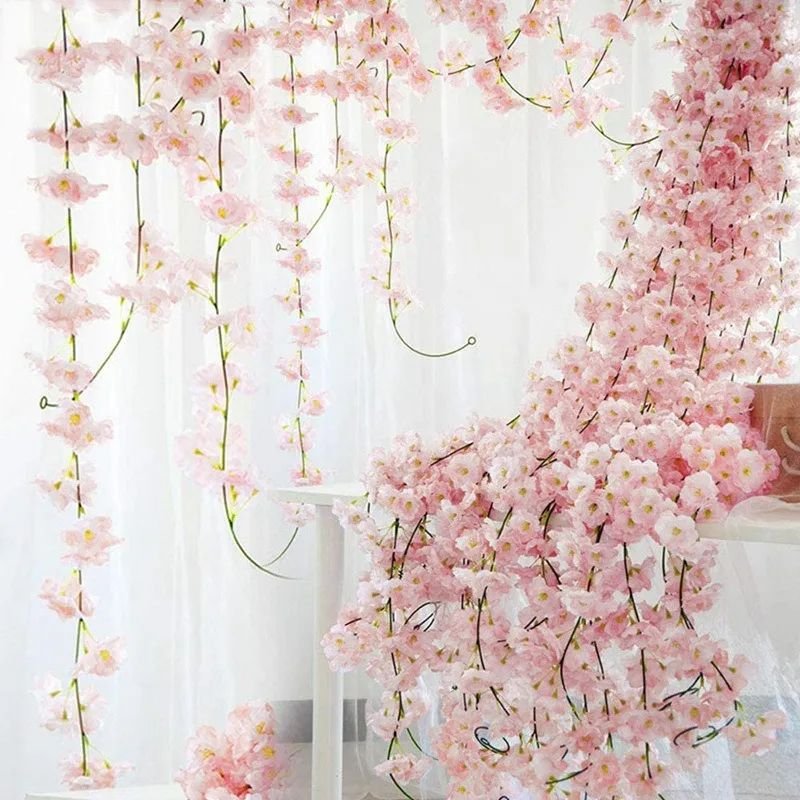
And if a spot is too dark, too exposed or too awkward to water, we sell the artificial alternative instead - the artificial flowering range covers those, including trailing petunias and geranium bushes that never need deadheading.
The short version
- Work out the sun first - a sun-lover in shade makes leaves and no flowers.
- Full sun: petunias, geraniums, calibrachoa, verbena. Shade: begonias, busy lizzies.
- Fuchsias are the best all-rounder and handle part sun and shade well.
- Fill three jobs - a thriller, a filler and a spiller - rather than repeating one plant.
- Three kinds in threes looks designed; one of everything looks busy.
Frequently asked questions
What are the best flowering plants for a hanging basket?
Petunias and surfinias, geraniums, calibrachoa and verbena for full sun; fuchsias, bacopa and lobelia for part sun; begonias and busy lizzies for shade. Match the plant to the position before anything else.
Why is my basket all leaves and no flowers?
Most often a sun-loving plant in a shady spot, which makes foliage and very few flowers whatever you feed it. The other common causes are not deadheading and not feeding after about six weeks.
What is the thriller, filler, spiller idea?
Three jobs rather than one plant repeated: something upright in the middle, bushy plants filling the middle ground, and trailers around the rim that hide the basket itself and make it read as a ball of flowers.
How many plants does a basket need?
More than feels right in the bucket. A 35cm basket takes several to look full, and one planted sparsely because it looked crowded will look thin on the wall all summer. Plant the sides as well as the top.
Do you sell the plants?
No - live plants come from a nursery or garden centre. We sell the baskets, liners, brackets and watering kit, plus artificial flowering displays for spots that are too dark or awkward for living plants.