Spring baskets run on small bulbs planted the previous autumn, primulas, violas and forget-me-nots. Plant bulbs in October for March and April colour, and treat the spring display as a bridge that gets replaced when summer bedding is safe to put out.
Most baskets go up in May and come down in October, which leaves the garden bare through the months when colour does most good.
Why spring gets skipped
Because the traditional basket calendar starts with summer bedding, and by the time anyone thinks about baskets in April, the moment to have planted bulbs has passed by six months.
Spring baskets are a planning problem rather than a difficult gardening one - the seasonal guide covers the full year.
Bulbs, planted in autumn
The best spring baskets are made in October.
Small bulbs suit baskets far better than large ones - dwarf narcissi, crocus, muscari, dwarf iris and small tulips. Full-size daffodils are top-heavy and flop in a basket.
Plant them deeper than feels right, water once, and leave them somewhere sheltered until growth appears.
Layering bulbs
The trick that extends a spring basket from a fortnight to two months.
Plant in layers at different depths - the latest and largest lowest, the earliest and smallest nearest the surface. They come through in sequence rather than all at once, and each layer grows past the one below.
Primulas and polyanthus
The instant option, and what to buy if October has already gone.
Widely available from late winter, they flower immediately, come in every colour, and cope with cold. They are the reason a spring basket can be made in February and look established in a week.
Violas and winter pansies
Planted in September, these flower through mild spells all winter and then properly from March.
Violas hold up better in wet weather than large-flowered pansies, which mark badly - the winter plants guide covers the overlap.
Forget-me-nots and small trailers
What stops a spring basket looking like a bowl of bulbs.
Forget-me-nots, aubrieta and trailing ivy all soften the rim, and ivy carries through from the winter display without needing replacing - the trailing plants guide covers options.
Colour schemes for spring
Spring light is clear and cool, which suits fresh colours - white, cream, pale yellow, soft blue and clear pink.
The heavy oranges and bronzes that look right in autumn sit oddly in March. Two colours plus green is enough.
Where to hang a spring basket
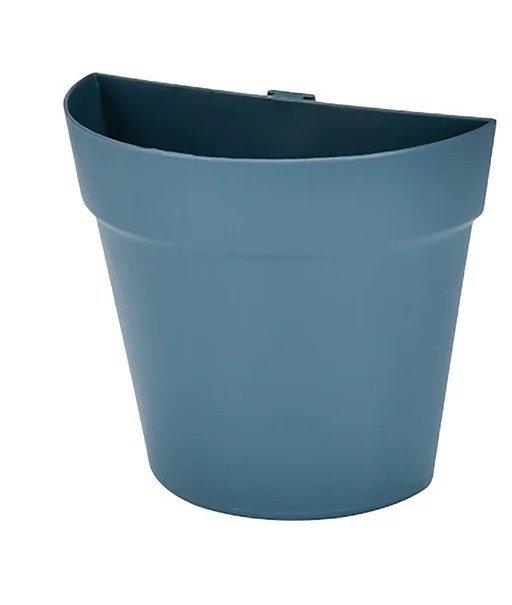
Somewhere you pass daily, because the point of a spring display is seeing it when little else is happening - the basket range covers what to plant it in.
Beside the front door or outside a kitchen window earns far more than a basket at the end of the garden - the brackets range covers getting it there.
Watering in spring
Far less than summer, and the danger runs the other way. Cold wet compost rots bulbs, and a waterlogged basket in a late frost is a real risk.
Check by weight, make sure the basket drains freely, and water only when it is genuinely light - the watering guide covers the test.
Feeding
Very little. Bulbs carry their own food and spring growth is slow.
A weak high-potash feed once flowering starts is plenty, and it helps bulbs build reserves for next year if you plan to keep them - the compost and feed guide covers what to use.
Frost
Spring plants are hardy but the compost is the vulnerable part - a small volume freezes right through where a border does not, which the winter range covers.
Move the basket to a sheltered spot when a hard frost is forecast, or accept some losses. A basket against a house wall fares considerably better than one in the open.
Keeping the bulbs
You can. Let the foliage die back naturally rather than cutting it green, then either lift and store the bulbs somewhere dry or plant them out into a border.
Bulbs that have flowered in a basket often do better in the ground the following year than repeated in a container.
The changeover to summer
The spring display is a bridge. Replace it when summer bedding can safely go out - which is once the risk of frost has passed in your area, not on a fixed date.
The planting guide covers building the summer basket.
Bringing it on under cover
Worth doing if you have anywhere frost-free and light, because a spring basket planted in autumn spends months looking like a bowl of compost.
Keep it in a cold greenhouse, a porch or against a sheltered wall until growth appears, then move it to its proper position once there is something to see. It also protects the compost from the worst of winter wet, which is what rots bulbs.
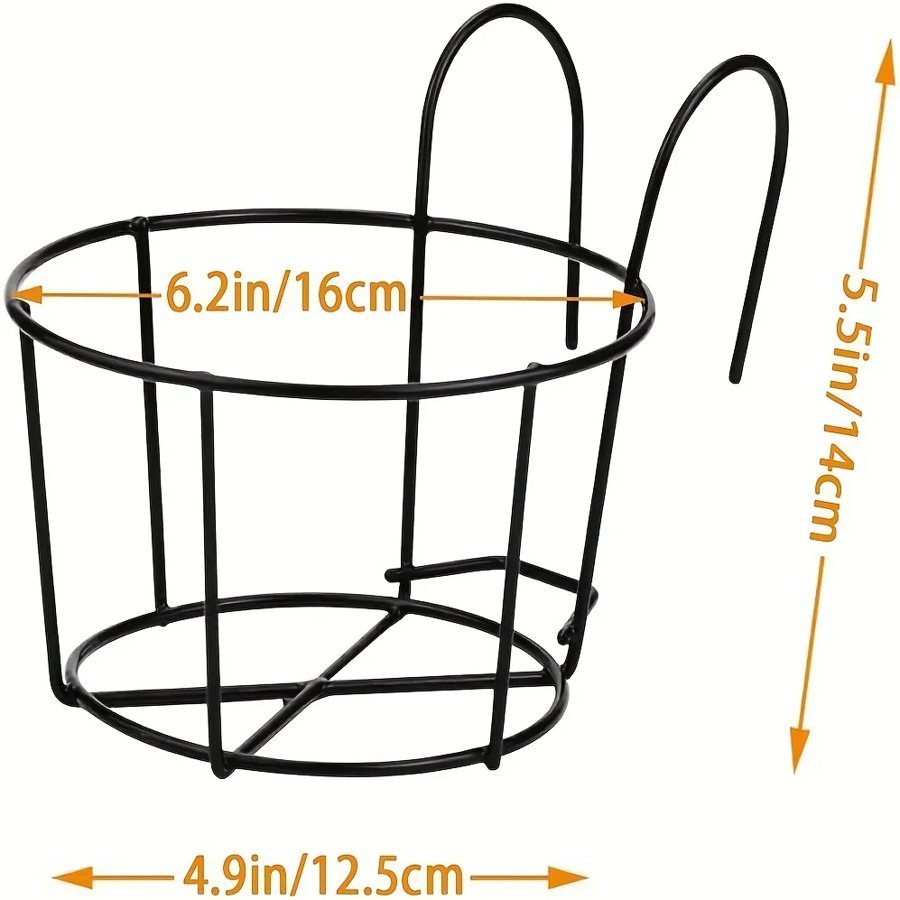
A basket stand makes moving it back and forth straightforward.
The artificial route
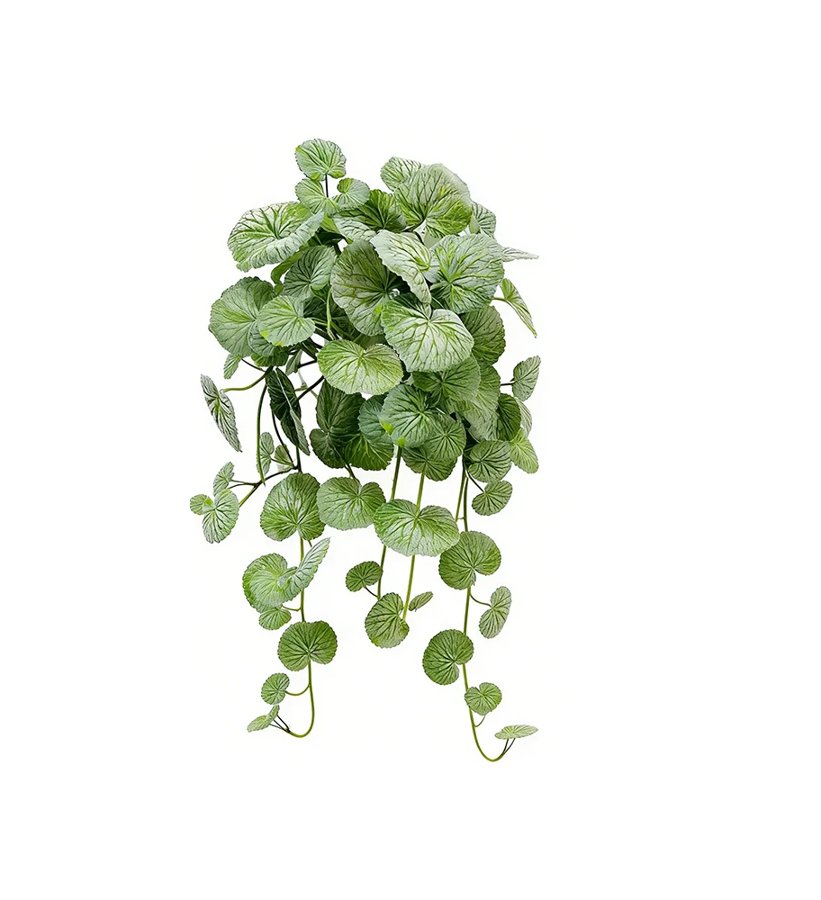
If autumn planning never happens, a faux spring display gives colour from February with no bulbs and no timing at all - and it can go up while the weather is still too cold for anything living.
The artificial flowering range covers stems, with free UK delivery over £20.
The short version
- The best spring baskets are made in October - it is a planning problem, not a hard one.
- Small bulbs only; full-size daffodils are top-heavy and flop in a basket.
- Layer bulbs at different depths and a fortnight of colour becomes two months.
- Primulas are the instant option if the autumn planting moment has gone.
- Cold wet compost rots bulbs - in spring the risk is too much water, not too little.
Frequently asked questions
When should I plant a spring hanging basket?
October, if you want bulbs. Plant small bulbs then for March and April colour. If that moment has passed, primulas and polyanthus are widely available from late winter and flower immediately.
Which bulbs suit hanging baskets?
Small ones - dwarf narcissi, crocus, muscari, dwarf iris and small tulips. Full-size daffodils are top-heavy and flop in a basket, which is why they disappoint people who try them.
How do I make a spring basket last longer?
Layer the bulbs at different depths, with the latest and largest lowest and the earliest and smallest nearest the surface. They come through in sequence rather than all at once.
How much should I water in spring?
Far less than in summer, and the risk runs the other way. Cold wet compost rots bulbs and a waterlogged basket in a late frost is a real problem, so water only when the basket is genuinely light.
Can I keep the bulbs for next year?
Yes. Let the foliage die back naturally rather than cutting it green, then lift and store them dry or plant them out. Bulbs that have flowered in a basket often do better in the ground afterwards.