Hanging baskets suit strawberries well because the fruit hangs clear of soil, slugs and mud. Use three or four plants in a 35cm basket, water consistently once fruit sets, and feed with a high-potash feed from flowering onward.
One of the few genuinely productive things you can grow in a hanging basket, and it solves the two problems strawberries have at ground level.
Why a basket suits them
Fruit at ground level sits on soil, gets splashed with mud, rots in wet weather and is found by slugs before you find it.
In a basket the fruit hangs clear of all of that. It also gets more air around it, which reduces mould, and it is at a height where you can see when it is ripe.
Which types to use
Two useful groups.
Summer-fruiting varieties crop heavily over a few weeks, which suits anyone who wants a proper picking.
Everbearing or perpetual varieties fruit in smaller quantities over a much longer season, which suits a basket you walk past daily.
Trailing or cascading varieties are bred for containers and look better over a rim, but ordinary types work perfectly well - the basket range covers what to grow them in.
How many per basket
Three or four in a 35cm basket, five or six in a 40cm.
Fewer than a flowering display, because each plant needs root room to fruit properly. Crowded strawberries produce leaves and runners rather than fruit - the plant numbers guide covers counts.
The basket and liner
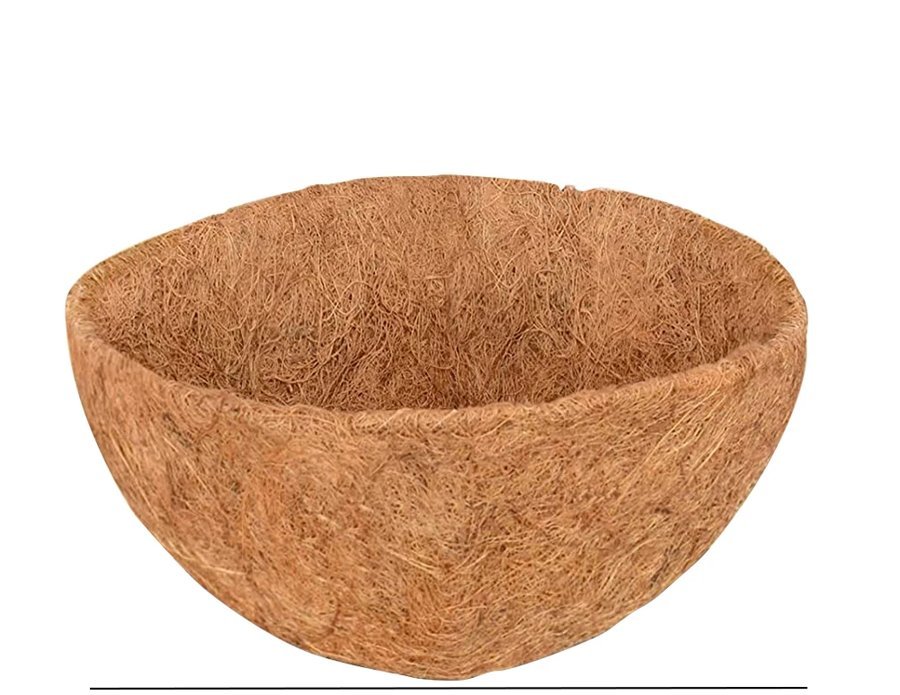
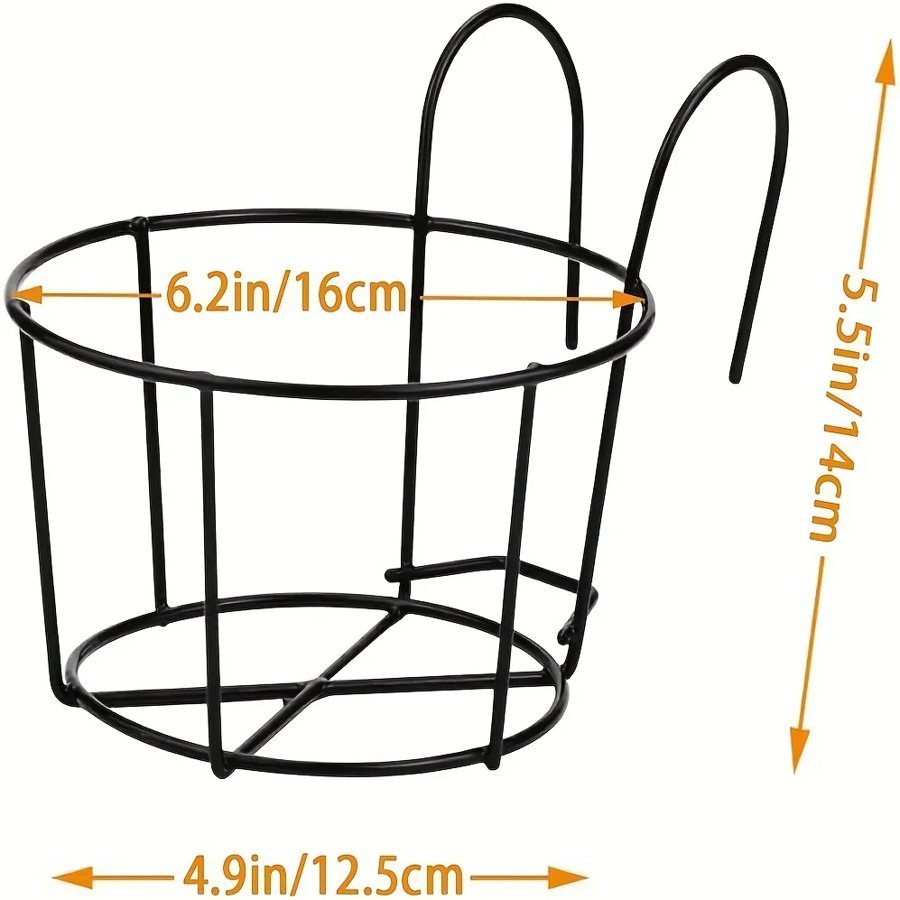
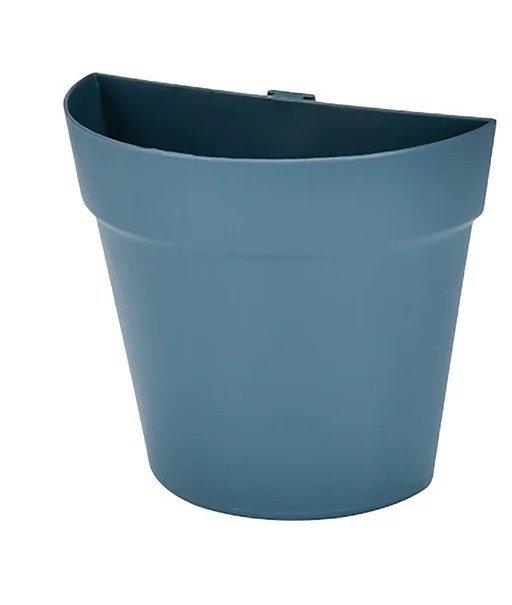
A solid-sided basket or a well-lined wire one, because strawberries dislike drying out hard once fruit has set.
A liner with a moisture-retaining backing is genuinely useful here - the liners range covers them, and the lining guide covers fitting one.
Compost
A container or multi-purpose compost with water-retaining granules mixed in. Not garden soil, which compacts and drains badly in a basket.
Slow-release feed granules at planting cover the early growth - the compost and feed guide covers what to mix in.
Position
Full sun for the best fruit. Strawberries will grow in part shade and produce noticeably less, and what they do produce ripens later and tastes less of much.
A sunny sheltered spot also helps pollinating insects reach the flowers, which matters more than people realise.
Pollination
Every fruit needs its flower pollinated, and a poorly pollinated flower gives a small, misshapen berry.
A basket in a sheltered spot where bees can work is what you want. In a very exposed or enclosed position, a soft brush over the open flowers every few days does the job by hand.
Watering is the whole crop
Consistency matters more than volume. Strawberries that swing between soaked and bone dry produce small fruit and split berries.
Once flowering starts, check daily by weight and water before it dries hard - the watering guide covers the test.
Water the compost, not the fruit
Wet fruit sitting in still air is how grey mould starts.
Take the rose off the can and water at the compost surface at the base of the plants - the watering can guide covers reaching a high basket.
Feeding
A high-potash liquid feed - tomato food - from the point flowers appear, weekly to fortnightly.
Nitrogen-heavy feed gives you a large leafy plant with little fruit, which is the commonest reason a basket of strawberries disappoints.
Runners
Strawberries send out long stems with new plantlets on the end. In a basket these dangle, which some people like the look of.
They cost the parent plant energy, so cut them off if you want fruit. Keep one or two if you want free plants for next year - peg them into a small pot of compost until they root.
Birds
The one genuine advantage a basket does not solve. Birds find ripe strawberries quickly and a basket is no obstacle at all.
Netting over the basket works, provided it is held clear of the fruit rather than lying on it. It is not elegant, and it is the difference between eating them and watching them go.
After the season
Tidy off dead leaves, stop feeding, and let the plants go dormant. They are hardy, but a basket's small compost volume freezes right through where a border does not.
Somewhere sheltered against a wall is enough in most of the UK - the watering range covers protection.
Height, and picking
Hang a strawberry basket lower than a display one. You need to see the fruit to know when it is ripe, and reach it without a ladder.
Chest height beside a path or a door is about right, and it also means the daily watering check actually happens - which with strawberries is what decides the crop rather than a nicety.
The chains guide covers lowering an existing basket.
How long to keep them
Strawberry plants crop best for two or three years and then decline. Replacing them with new plants, or with rooted runners from your own, keeps the crop worthwhile.
The basket range covers the containers, with free UK delivery over £20 - the plants themselves come from a nursery or garden centre.
The short version
- A basket keeps fruit clear of soil, mud, slugs and ground-level rot.
- Three or four plants in a 35cm basket - crowded strawberries make leaves, not fruit.
- Consistent watering is the crop; swinging between soaked and dry splits berries.
- High-potash feed from flowering; nitrogen gives a big plant and little fruit.
- Cut off runners for fruit, or peg one or two into pots for free plants next year.
Frequently asked questions
Do strawberries grow well in hanging baskets?
Very well. The fruit hangs clear of soil, mud and slugs, gets more air around it so it moulds less, and sits at a height where you can see when it is ripe.
How many strawberry plants per basket?
Three or four in a 35cm basket and five or six in a 40cm - fewer than a flowering display, because each plant needs root room. Crowded plants produce leaves and runners rather than fruit.
Why is my basket producing leaves but no fruit?
Usually a nitrogen-heavy feed, or overcrowding. Switch to a high-potash feed such as tomato food once flowers appear, and cut off the runners, which cost the parent plant energy.
How often should I water them?
Daily once flowering starts, checking by weight. Consistency matters more than volume - plants that swing between soaked and bone dry produce small fruit and split berries.
How do I stop birds taking the fruit?
Netting held clear of the fruit rather than lying on it. A basket keeps strawberries away from slugs but is no obstacle at all to birds, who find ripe fruit remarkably quickly.