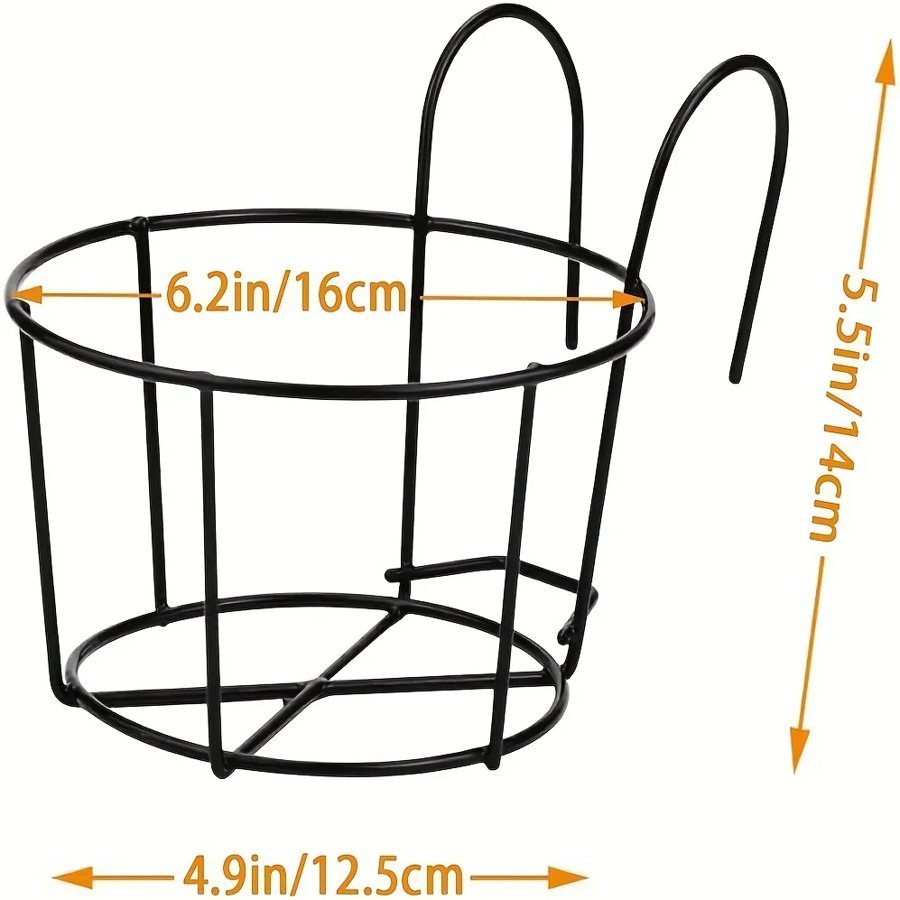
Use rail planters that hook over the balustrade rather than anything requiring a fixing, hang them on the inside of the rail so nothing can fall outward, and water sparingly - drips onto the balcony below are the fastest way to a complaint.
A balcony is the hardest place to hang anything and the place it does most good, because there is usually nothing else green in sight.
Three rules first
Nothing on the outside of the rail. A planter that can fall outward is a serious hazard, and many leases prohibit it outright.
Nothing that drips onto the flat below. The commonest source of complaints.
Nothing that needs drilling, in most rented and leasehold flats.
Check the lease first
Worth two minutes before spending anything. Many leases and building rules restrict what can be attached to a balcony, hung on the outside of a railing, or fixed to a wall.
Where restrictions exist, freestanding and inside-mounted options are almost always still permitted.
Rail planters
The main solution. A planter that hooks over the top rail, with the weight sitting on the rail itself and no fixings at all.
Fit them on the inside so nothing overhangs the drop, and check that the hook matches the rail profile - a hook designed for a flat rail sits badly on a round one - the hanging planters range covers those.
Wind is the defining problem
A balcony above the second floor is a genuinely windy place, and it gets windier the higher you go. Wind also funnels between buildings in ways ground-level gardens never see.
That argues for small containers, low planting, secure fixings and nothing lightweight that can lift - the watering guide covers how much faster wind dries a basket.
Small and low beats tall
Tall plants act as sails and either snap or drag the container over.
Compact and trailing planting sits below the wind and looks better against a railing anyway. Save height for a sheltered corner if you have one.
Watering without causing problems
The practical constraint that shapes everything.
Use containers with a reservoir or a solid base rather than free-draining ones, water sparingly and slowly, and never soak a rail planter until it runs. A watering can with a long spout gives far more control than a jug - the watering can guide covers them.
Drip trays
Worth having under anything free-draining that sits on the balcony floor, both to protect the surface and to catch what would otherwise run to the edge.
Empty them rather than letting them stand, since standing water rots roots and breeds insects.
Hanging from above
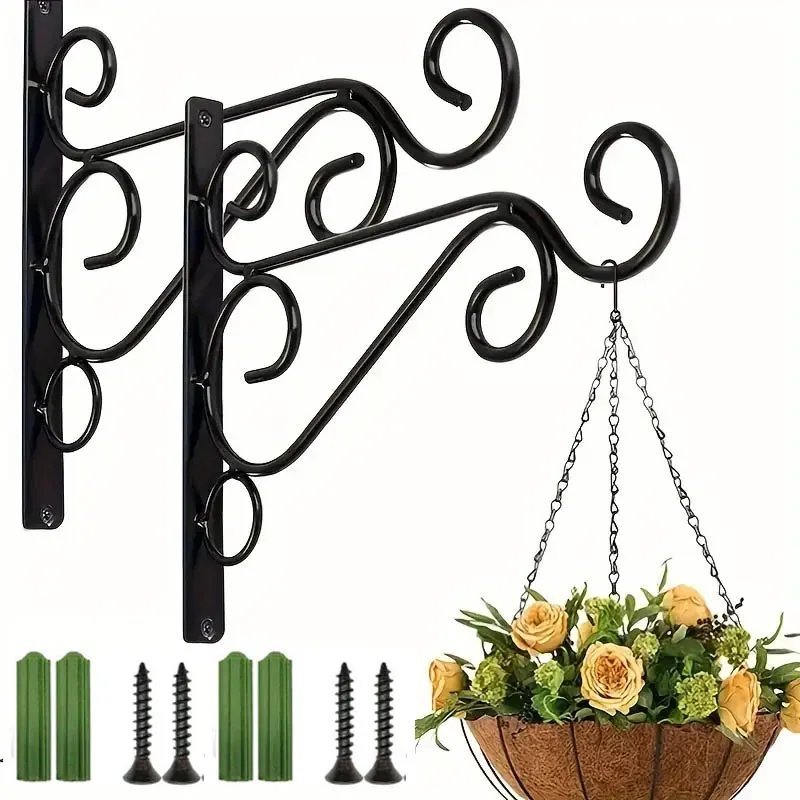
If your balcony has a roof or a soffit above, that is the best hanging point available - a hook into a joist puts a basket at eye level with no rail involvement at all.
Check whether the ceiling is yours to fix into first - the hooks range covers hooks.
Freestanding stands
The no-drill answer where there is floor space. A weighted-base stand puts a basket at head height with nothing attached to the building.
Weight the base properly, because a balcony is exactly the exposed position where a light stand goes over - the stands guide covers them.
Wall baskets on the inner wall
If the balcony has a solid inner wall and you are permitted to fix to it, flat-backed wall baskets are ideal - they project barely at all, which matters in a narrow space.
The wall and fence range covers those, and the wall basket guide covers fitting them.
Use the vertical
Balconies have very little floor and a surprising amount of wall and rail. A run of small planters at one height along a railing does far more than one large container on the floor.
Repetition reads as designed, and it leaves the floor clear to stand on.
Planting that copes
Drought-tolerant and wind-tolerant: ivy-leaved geraniums, trailing verbena, bidens, sedums and herbs.
Balconies are hot, windy and dry, which is close to a Mediterranean position - plants that suit that thrive where bedding struggles - the low-maintenance guide covers those.
Screening and privacy
A run of planters along a railing with upright planting behind gives a surprising amount of screening at seated height without blocking light.
Keep it below the rail top on the outside face so nothing overhangs - the indoor range covers the planters that suit a narrow rail.
Weight, on a balcony floor
Worth a thought before filling several large containers.
Wet compost is heavy, and a row of full planters adds up faster than people expect. Balconies have load limits, and the safest arrangement is several small containers spread out rather than a few very large ones concentrated in one corner.
Keep the heaviest things near the wall rather than at the outer edge - the small basket range suits this well.
Artificial on a balcony
A strong case here: no watering means no drips onto the flat below, no reservoir weight and nothing to fail during a fortnight away.
Weight the container, because light displays lift in balcony wind - the artificial range covers them, with free UK delivery over £20.
The short version
- Nothing on the outside of the rail, and check the lease before buying anything.
- Rail planters hook over the top rail and need no fixings at all.
- Balcony wind is worse than ground level and funnels between buildings.
- Water sparingly and slowly - drips onto the flat below cause the complaints.
- Small, low, drought-tolerant planting beats anything tall enough to act as a sail.
Frequently asked questions
How do I hang baskets on a balcony without drilling?
Use rail planters that hook over the top rail, a weighted freestanding stand if there is floor space, or a hook into a soffit above if the ceiling is yours to fix into.
Can I hang planters on the outside of the railing?
You should not. A planter that can fall outward is a serious hazard, and many leases prohibit it outright. Fit everything on the inside face so nothing overhangs the drop.
How do I stop water dripping onto the flat below?
Use containers with a reservoir or solid base rather than free-draining ones, water slowly with a long-spouted can, never soak until it runs, and put drip trays under anything standing on the floor.
What plants suit a balcony?
Drought and wind tolerant ones - ivy-leaved geraniums, trailing verbena, bidens, sedums and herbs. A balcony is hot, windy and dry, which is close to a Mediterranean position.
Why do tall plants fail on balconies?
They act as sails. Balcony wind is stronger than at ground level and funnels between buildings, so tall growth either snaps or drags the container over. Compact and trailing planting sits below it.