Fresh compost runs out of nutrients at about six weeks, which is when flowering drops off. Mix slow-release granules in at planting, then feed weekly with a high-potash liquid feed from six weeks. High-nitrogen feed gives leaves at the expense of flowers.
Most baskets that disappoint in August are not diseased, exhausted or badly positioned. They are hungry.
Why baskets run out
A basket is a small volume of compost supporting an unusually large amount of plant, all of it flowering hard.
The nutrients in fresh compost are largely used up after about six weeks, and every watering washes a little more out of the bottom. A border does not behave this way; a basket always does.
The six-week point
The number worth remembering. Six weeks after planting, a basket that looked wonderful begins producing fewer flowers, smaller flowers and paler leaves.
People read that as the display finishing. It is the display asking to be fed - the compost and feed guide covers the basics.
What high-potash does
The three numbers on a feed are nitrogen, phosphorus and potassium.
Nitrogen drives leafy growth.
Phosphorus supports roots.
Potassium, or potash, supports flowering and fruiting.
A flowering basket wants the potassium figure to be the high one, which is exactly what tomato feed is - and it is the cheapest way to buy it.
The nitrogen trap
If you are feeding diligently and getting a large green plant with few flowers, check the bottle.
General-purpose feeds are usually nitrogen-led, which is right for foliage plants and wrong for a summer basket. Soft nitrogen-driven growth is also more prone to pests and rot.
Slow-release granules at planting
The insurance policy. Mixed into the compost at planting, they cover roughly the first two or three months.
They do not remove the need for liquid feed in a heavily planted basket, but they mean a missed fortnight is not a disaster - the planting guide covers what to mix in.
How often
Weekly to fortnightly from six weeks, at the dilution stated on the bottle.
Little and often beats occasional and strong, and it is far less likely to scorch roots. Doubling the strength to make up for a missed week does not work that way.
Feed a damp basket
The practical point that determines whether the feed does anything.
Liquid feed poured into bone-dry compost mostly runs straight through and can burn roots on the way. Water first, or feed immediately after a normal watering - the watering guide covers the routine.
Where the feed goes
Onto the compost at the base of the plants, not over the foliage. Take the rose off the can.
Feed on leaves in strong sun can mark them and does nothing for the roots, and the watering range covers the cans that make this easy - the watering can guide covers the kit.
Signs of hunger
- Fewer flowers than a month ago on an otherwise healthy plant.
- Smaller flowers than the plant produced earlier.
- Paler older leaves, lower down first.
- Slow growth in midsummer, when it should be fastest.
Signs of overfeeding
Lush dark foliage with few flowers, usually too much nitrogen. A white crust on the compost surface, which is salts building up from over-feeding or hard water.
The fix for both is to water through thoroughly with plain water and then feed less often, not more.
Deadheading works with feeding
A plant that sets seed slows down, because seed production is what it was aiming for.
Deadheading tells it to try again, and feeding gives it the resources to do so. Neither works as well alone - the low-maintenance guide covers self-cleaning plants that skip the first job.
The mid-season reset
If a basket has gone leggy and tired by late July, cut the longest growth back by about a third, feed, and water properly for a fortnight.
Most baskets respond with a second flush that carries them into September. It looks drastic for a week and it is worth doing - the show-stopper guide covers building one that lasts.
Autumn and winter
Feed far less. Growth is slow and short days mean the plant cannot use it, and soft late growth is what frost damages.
One feed in early autumn, then nothing through winter - the winter plants guide covers the season.
Feeding through a drip system
Worth knowing if you have one, because a timer removes the watering job and quietly removes the feeding one too.
Some systems take a liquid feed diluter in line; on others the simplest approach is to feed by hand once a week and let the drip system handle plain water the rest of the time. Either works, but a basket on a fully automatic system with nobody feeding it will still stop flowering at six weeks.
The watering systems guide covers the kit.
Hard water and feeding
In hard-water areas, minerals build up in a small volume of compost over a season, showing as a white crust on the surface.
Rainwater from a butt avoids it entirely and is free. Where that is not practical, flushing the basket through with plain water once a month clears most of it.
What we sell
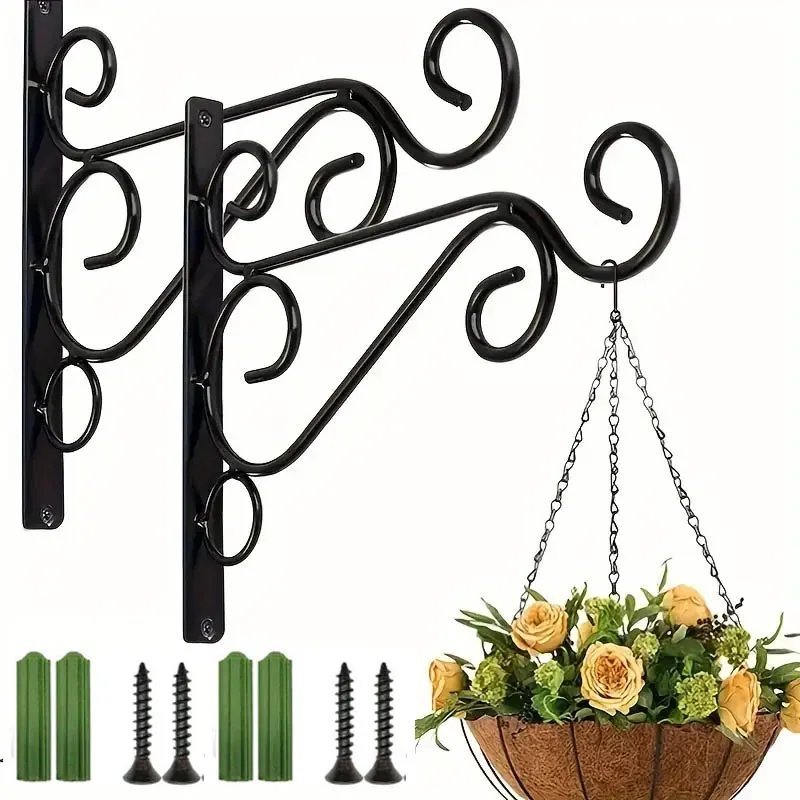
The baskets, liners, brackets and watering kit rather than the feed itself, which is better bought locally with the compost.
The watering range covers what makes feeding easy, and the basket range covers the containers - free UK delivery over £20.
The short version
- Fresh compost runs out at about six weeks - that is when flowering drops off.
- Potash supports flowering; tomato feed is high-potash and the cheapest source.
- A big green plant with few flowers means the feed is nitrogen-led.
- Feed a damp basket - feed poured into dry compost runs through and can burn roots.
- A tired late-July basket usually gives a second flush after a hard cut back and a feed.
Frequently asked questions
When should I start feeding a hanging basket?
About six weeks after planting, which is when the nutrients in fresh compost are largely used up. That is exactly the point at which a basket starts producing fewer and smaller flowers.
What is the best feed for flowering baskets?
A high-potash liquid feed. Tomato food is precisely that and is the cheapest way to buy it. Potassium supports flowering, where nitrogen drives leafy growth at the expense of blooms.
How often should I feed?
Weekly to fortnightly from six weeks, at the dilution on the bottle. Little and often beats occasional and strong, and doubling the strength to make up for a missed week does not work.
Why does my basket have lots of leaves and no flowers?
Usually a nitrogen-led feed. General-purpose feeds are right for foliage plants and wrong for a summer basket. Switch to a high-potash feed and the balance shifts back toward flowering.
Can I revive a basket that has stopped flowering?
Usually. Cut the longest, leggiest growth back by about a third, feed with a high-potash liquid feed and water properly for a fortnight. Most baskets give a second flush into September.